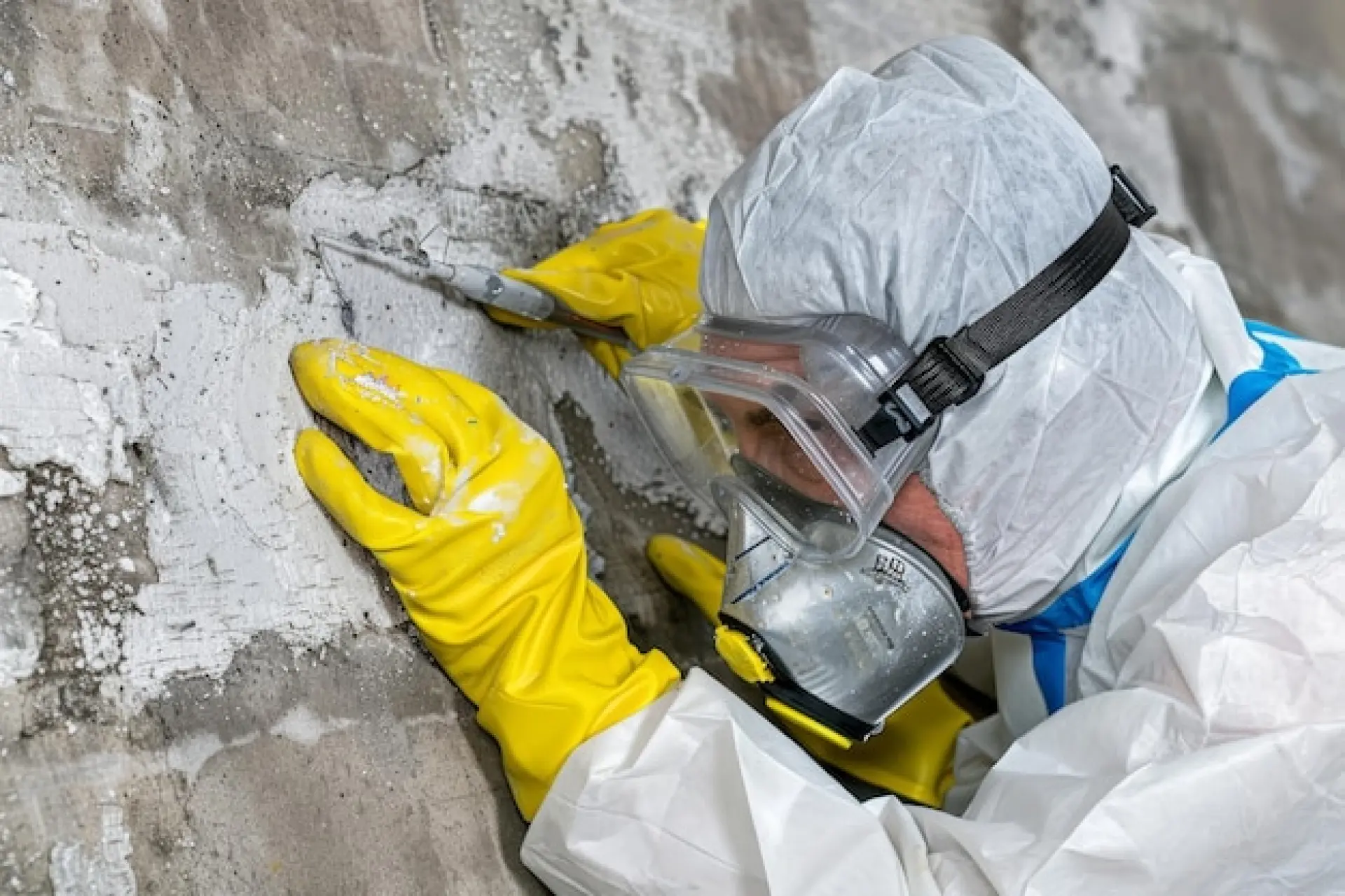
Need to know what is the safe way to remove asbestos? Our authorised team follows strict safety protocols, using specialised tools and airtight enclosures for safe removal.
How to choose a licensed asbestos removal contractor
Choosing the right asbestos removal contractor is one of the most important parts of the process. You should look for a company that holds the correct asbestos licence where one is required and can show clear proof of training, insurance, and experience.
A reliable contractor should also be willing to explain the type of asbestos work involved, the risks linked to your property, and the steps they will take to keep the area safe. If a company avoids questions or gives vague answers, that should be taken seriously.
It is a good idea to ask how the contractor plans and manages each job. A professional team should carry out a proper survey or work from a recent asbestos survey, assess the condition of the material, and prepare a clear method for removal.
They should also explain how they will seal the area, protect nearby spaces, remove waste, and clean up afterwards. This level of detail shows that they are not simply turning up to remove material, but are following a controlled safety process.
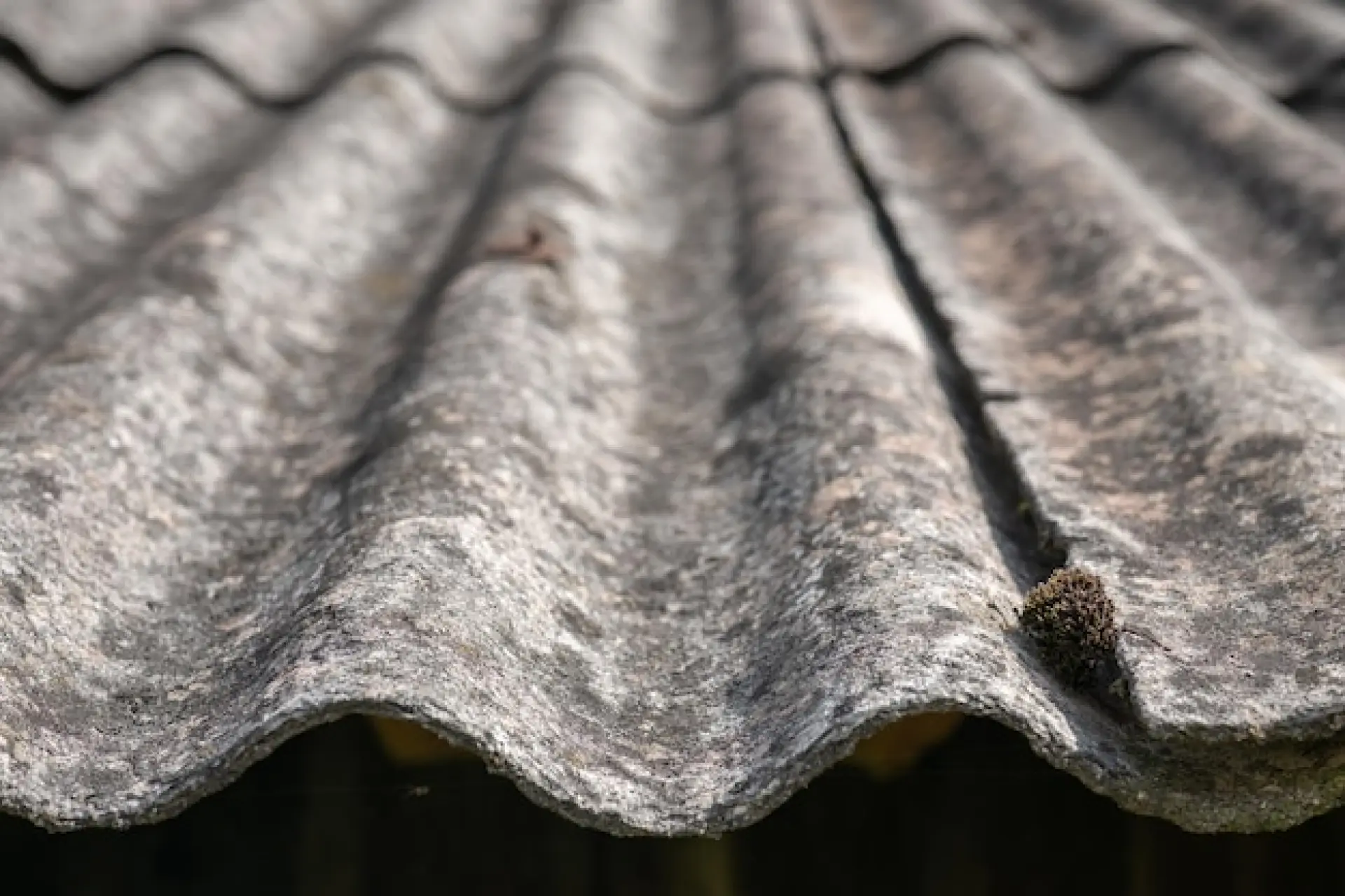
You should also check whether the contractor has a strong record of similar work. Asbestos can be found in roofing sheets, insulation boards, pipe lagging, floor tiles, textured coatings, and other materials, and each type may need a different approach.
A contractor with direct experience in the kind of asbestos present in your property is more likely to carry out the work safely and with fewer problems. Reviews, references, and examples of past work can help you judge whether they are trustworthy and careful.
Price should never be the only factor when choosing an asbestos removal firm. The safest choice is to make sure you choose a contractor who gives a thorough assessment, with clear paperwork, and a detailed explanation of what is included. Good asbestos removal is a specialist service, and peace of mind comes from knowing the work is being done properly.
What happens during a professional asbestos removal job
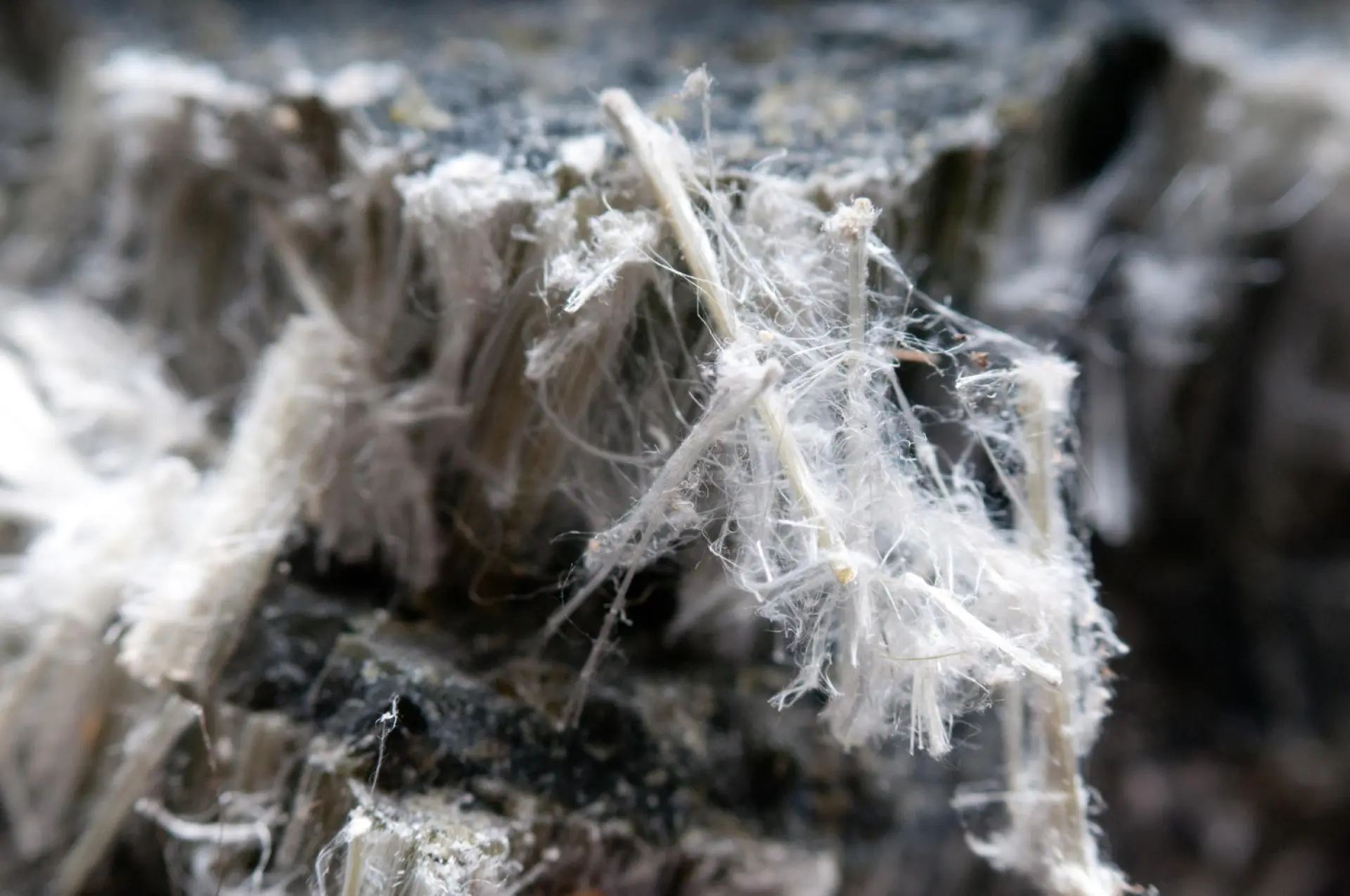
The asbestos team will usually start the job by confirming what kind of asbestos is present, where it is located, and how likely it is to release fibres if it gets disturbed. They will then prepare a work plan that sets out the removal method, the equipment needed, emergency steps, and the waste handling process. In many cases, this planning stage is just as important as the removal itself because it reduces the chance of mistakes once work starts.
When the team arrives on site, they do not usually begin by pulling materials out straight away. They first set up the work area, restrict access, and put safety controls in place. Warning signs may be used, and entry will be limited to trained workers only. Depending on the type of asbestos and the level of risk, the area may be enclosed and fitted with equipment that helps control airflow and stop fibres escaping into nearby rooms or outdoor spaces.
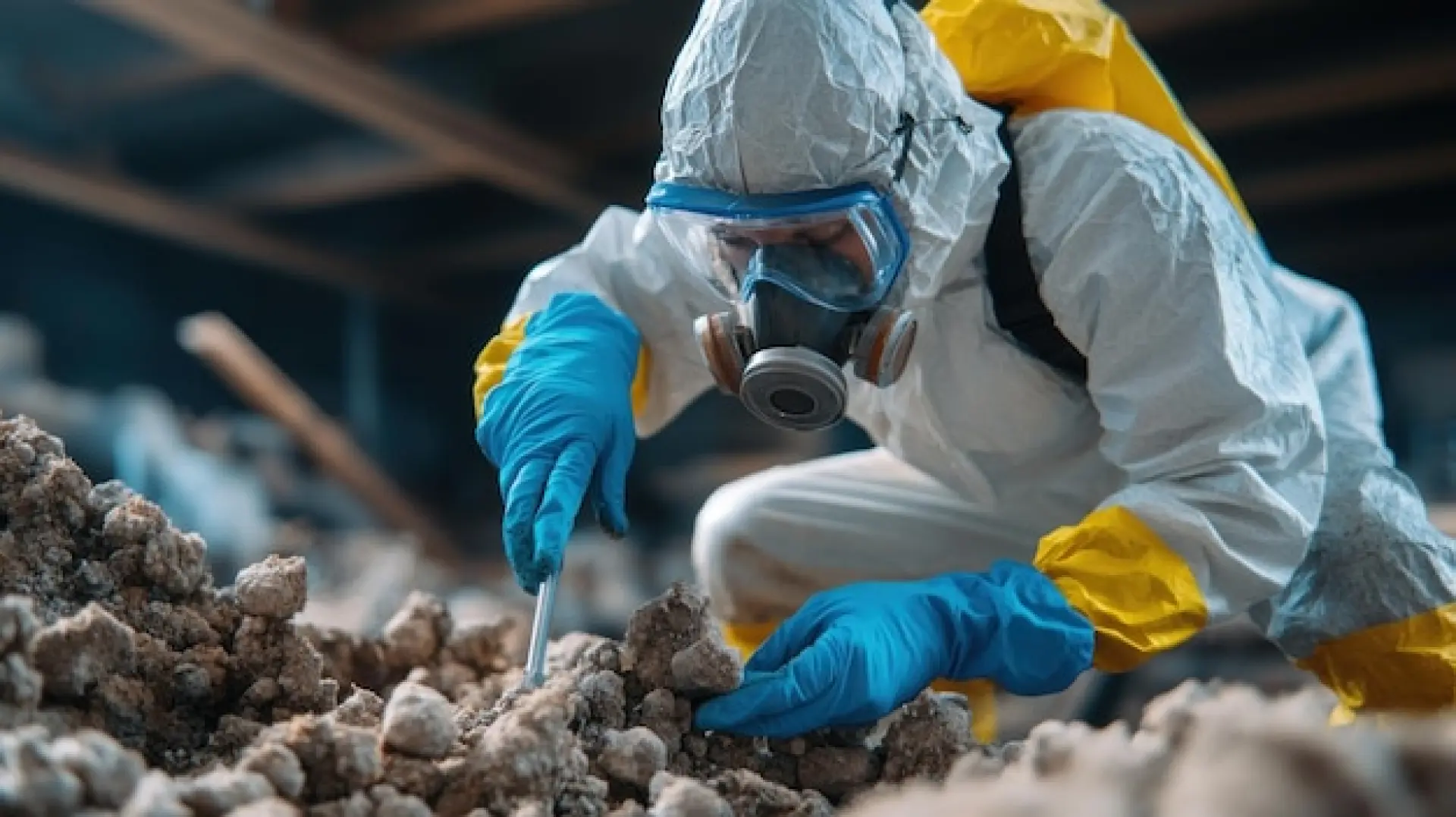
During removal, the material is handled in a way that keeps disturbance to a minimum. Professionals will dampen the asbestos materials so that fewer fibres become airborne.
They remove items carefully rather than snapping or breaking them apart, and they use approved methods instead of ordinary tools that could create dust. Each piece is then packed into suitable waste bags or containers that are clearly marked and prepared for hazardous disposal.
Once the asbestos has been removed, the job is not finished until the area has been cleaned and checked. Surfaces are cleaned with specialist products, and any remaining dust or debris is dealt with using controlled methods.
In higher-risk work, the area may go through inspection and air testing before it is declared safe for normal use again. This final stage is essential because even a small amount of leftover fibre contamination can still present a danger.
How the area is sealed to stop fibres spreading
Sealing the work area is a major part of carrying out safe asbestos removal, and this is because the fibres can easily escape otherwise. Before removal begins, professionals create a controlled zone around the asbestos so that dust and debris stay within one defined space. This may involve covering doors, vents, windows, and other openings with strong sheeting and tape to form a barrier.
In more complex or higher-risk jobs, the sealed area may be turned into a full enclosure. This is usually made from heavy-duty polythene sheeting fixed securely around the work zone. The enclosure acts as a physical shield between the asbestos work and the surrounding environment. It also allows the team to control how people and equipment move in and out, which helps reduce the chance of accidental contamination.
Professionals may also use negative pressure units inside the sealed area. These machines help draw air in a controlled direction and reduce the chance of airborne fibres leaking out through small gaps. Instead of letting air drift naturally into nearby spaces, the equipment helps keep contaminated air contained and managed.
Decontamination procedures are necessary, too. Workers follow strict entry and exit steps, and waste leaves the area in sealed, labelled packaging. Tools, clothing, and surfaces are always taken care of in a controlled way so fibres are not carried elsewhere by mistake. A properly sealed and managed area does much more than block off a room. It creates a safer system in which every movement is planned to keep contamination under control.
The safety gear and tools professionals use
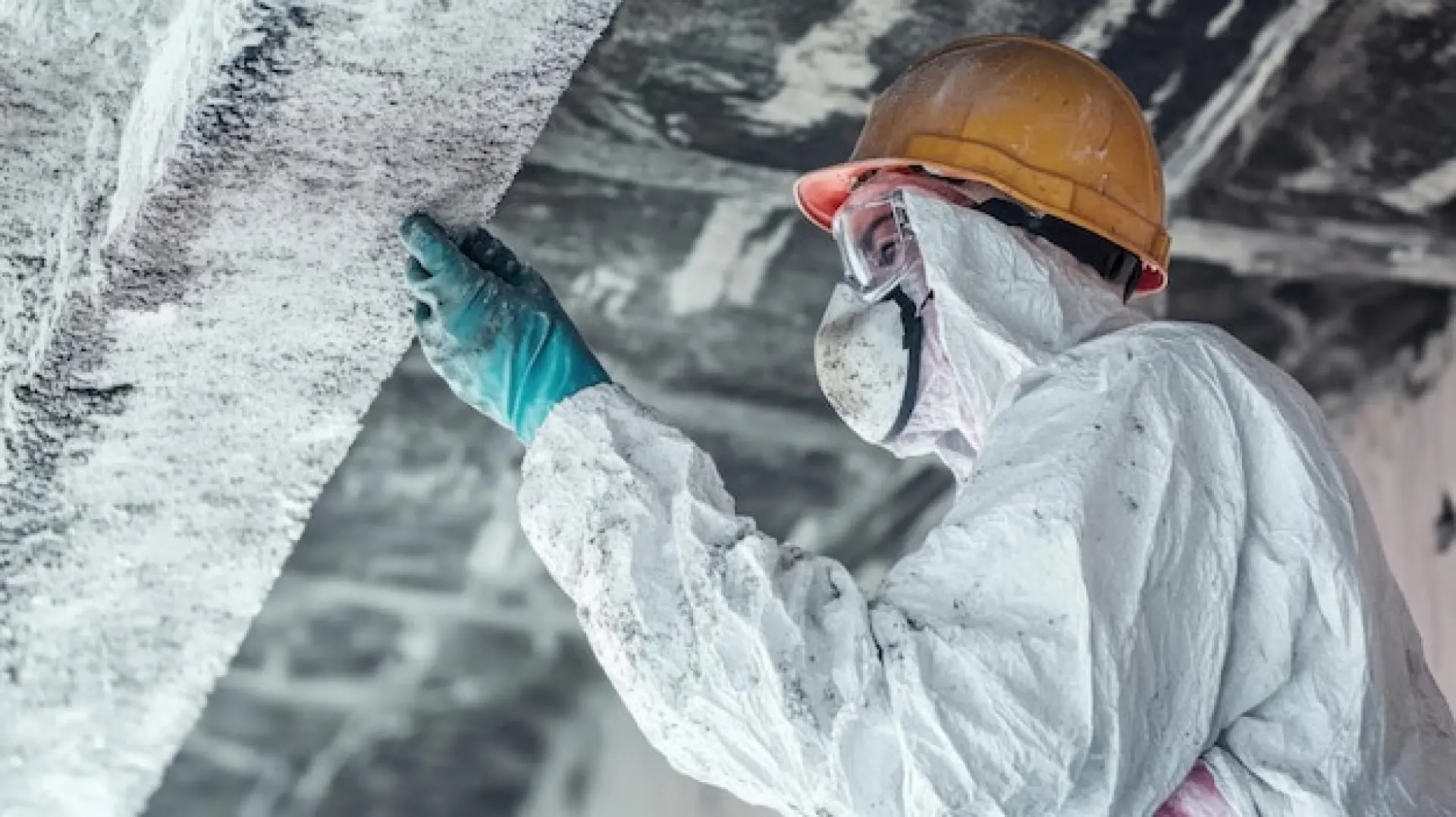
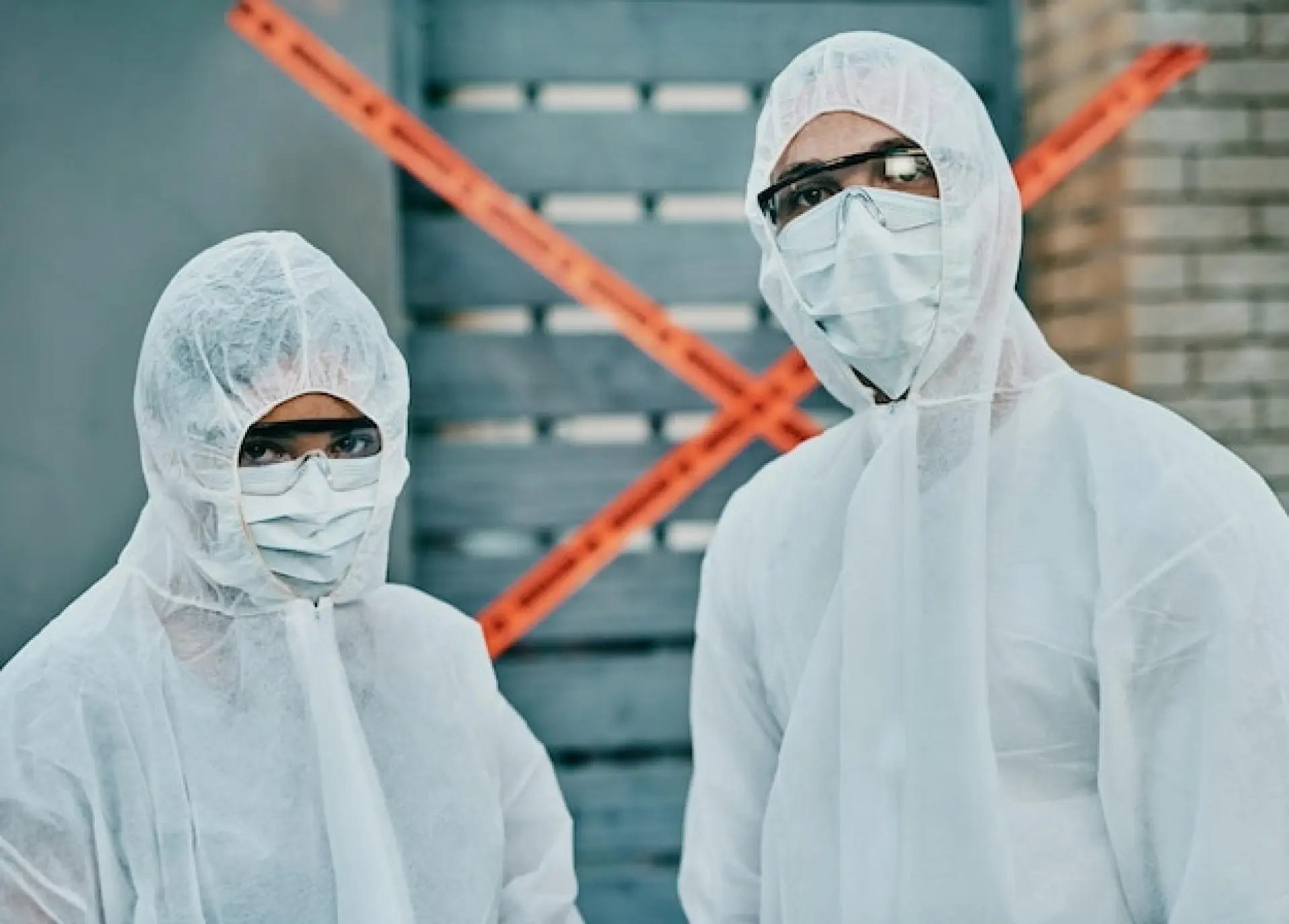
Professional asbestos removal teams always use advanced, specialist safety gear because normal work clothes and basic dust masks are not enough to keep them covered. Asbestos workers may wear disposable protective suits that cover the whole body and help stop fibres from settling on clothing underneath. These suits are made to be used in contaminated areas and removed in a controlled way afterwards. Gloves and suitable footwear are also used so that skin and personal clothing are protected as much as possible.
Respiratory protective equipment is one of the most important parts of asbestos safety. The type used depends on the level of risk and the nature of the work, but it must be suitable for filtering dangerous fibres from the air. These masks or respirators need to fit properly to work as intended, which is why trained contractors pay close attention to fit and use. Wearing the right breathing protection is vital because inhaling asbestos fibres is the main health danger.
The tools used during removal are chosen to limit damage and limit the amount of dust accumulated. Professionals avoid methods that would grind, saw, or break up the asbestos unless a very specific controlled technique is required.
Instead, they use careful hand tools and controlled removal methods that keep the material as intact as possible. Where cleaning is needed, they use specialist vacuum equipment designed for hazardous dust rather than ordinary household or site vacuums, which could spread fibres further.
Other equipment helps support the whole safety process from start to finish. This may include warning signs, sealed waste bags, enclosed disposal containers, air management equipment, and decontamination supplies.
Every item has a purpose in reducing exposure and keeping the site under control. Safe asbestos removal depends not only on worker skill, but also on using the correct tools and protective equipment in the correct way throughout the job.
What to do if asbestos is damaged or disturbed
If you think asbestos has been damaged or disturbed in your building, the first thing to do is stop what you are doing at once. Do not touch it again, do not try to sweep it up, and do not use a vacuum cleaner on the area. Any of these actions can push more fibres into the air and make the situation worse. Keep other people away from the area as much as possible, especially children, older people, and anyone with breathing problems.
If it is safe to do so, leave the room and close the door behind you. You should avoid walking through the dust, so try not to move back and forth across the affected space. Turn off any fans, heating systems, or air movement that could carry fibres further. The goal at this stage is simple: disturb the area as little as possible until a qualified professional can assess it.
You should then contact a licensed asbestos professional for advice. They can tell you whether the material is likely to contain asbestos, whether testing is needed, and what steps should be taken next. Do not attempt to bag the material yourself unless you have been given proper professional guidance and it is clearly safe and lawful to do so. In most cases, the safest response is to leave the material where it is and wait for trained help.
After the immediate risk has been controlled, the area may need inspection, cleaning, or full removal depending on how serious the damage is. Even a small crack or break can matter if it affects a material that releases fibres easily. Acting calmly and quickly is the best way to reduce harm. The key point is that damaged asbestos should never become a do-it-yourself repair job, because the health risk comes from the invisible fibres released when it is handled the wrong way.
Asbestos Services Bournemouth provides asbestos surveys for homes and buildings across the UK. We'll check for asbestos materials, explain any risks, and produce clear reports to support our decisions.