Asbestos may still be present in many older commercial properties across the UK, particularly those built or refurbished before the 2000s. Knowing the warning signs to look out for can help property owners, landlords and managers protect their workers and visitors. This guide explains where asbestos may be found and when professional advice is needed.
The Age of the Commercial Property
The age of a commercial property can clue you in about whether asbestos may be present. In the UK, any building that's been constructed or refurbished before the 2000s could contain asbestos-containing materials.
Asbestos was widely used in commercial buildings due to its fire resistance, insulation and strength. It can be found in ceiling tiles, wall panels, pipe insulation, sprayed coatings, roofing sheets, floor tiles and boilers. Any property that's been built after the 2000s is less likely to contain asbestos; however, the building’s age alone cannot confirm whether asbestos is present.
Old Insulation Materials
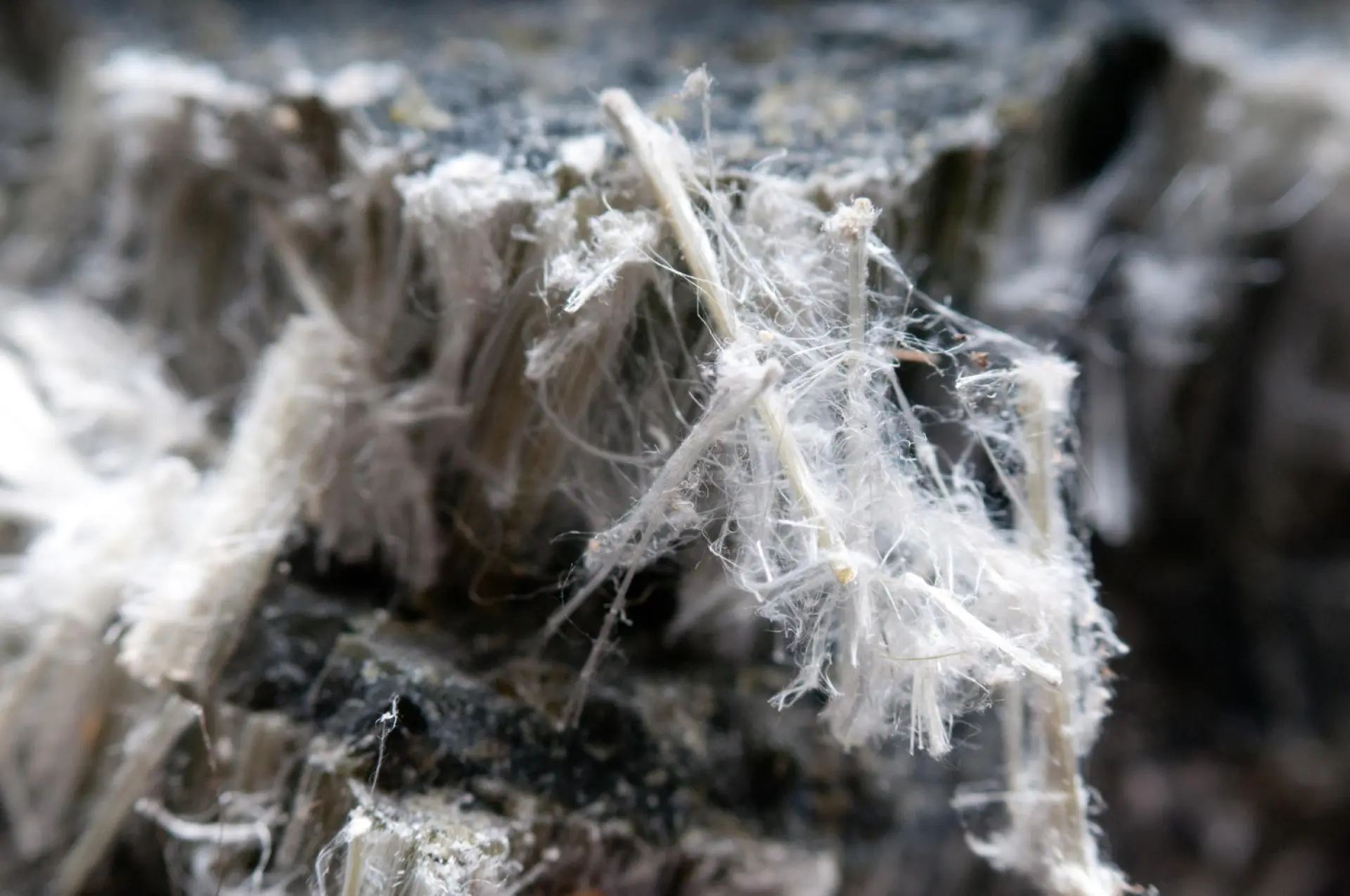
If a commercial building contains old insulation materials, it's more likely that those materials contain asbestos, especially if the building was built or refurbished before the 2000s. Older buildings may contain asbestos insulation board, loose-fill insulation or asbestos lagging, and these materials can become dangerous if they are damaged, disturbed or poorly maintained, since asbestos fibres may be released into the air.
The appearance of old insulation alone cannot confirm whether it contains asbestos, and in this case, samples of the material should be taken by a trained professional for testing. Building owners and duty holders should also check their asbestos records and arrange for a suitable survey if they suspect that asbestos is present.
Damaged Ceiling Tiles
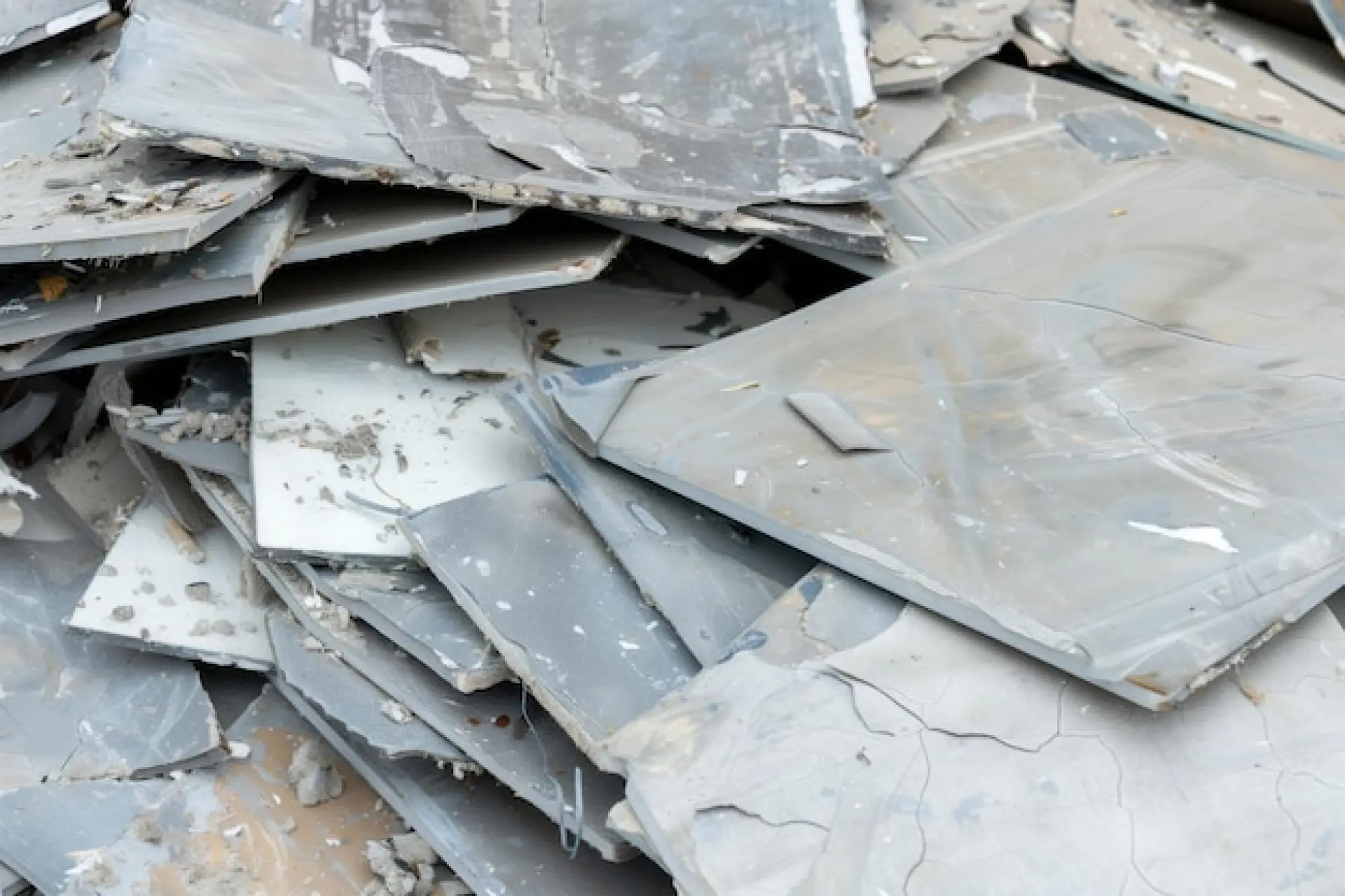
Older suspended ceiling tiles and panels were often made from asbestos insulation board because it offered fire protection and heat resistance. When these tiles crack, break or deteriorate, they can release harmful fibres into the air.
You cannot confirm whether asbestos is present by appearance alone. In this case, you need to check the building’s asbestos register, survey and maintenance records. If the records are unavailable, a competent asbestos surveyor should inspect the tiles and arrange to have a sample of the tiles tested.
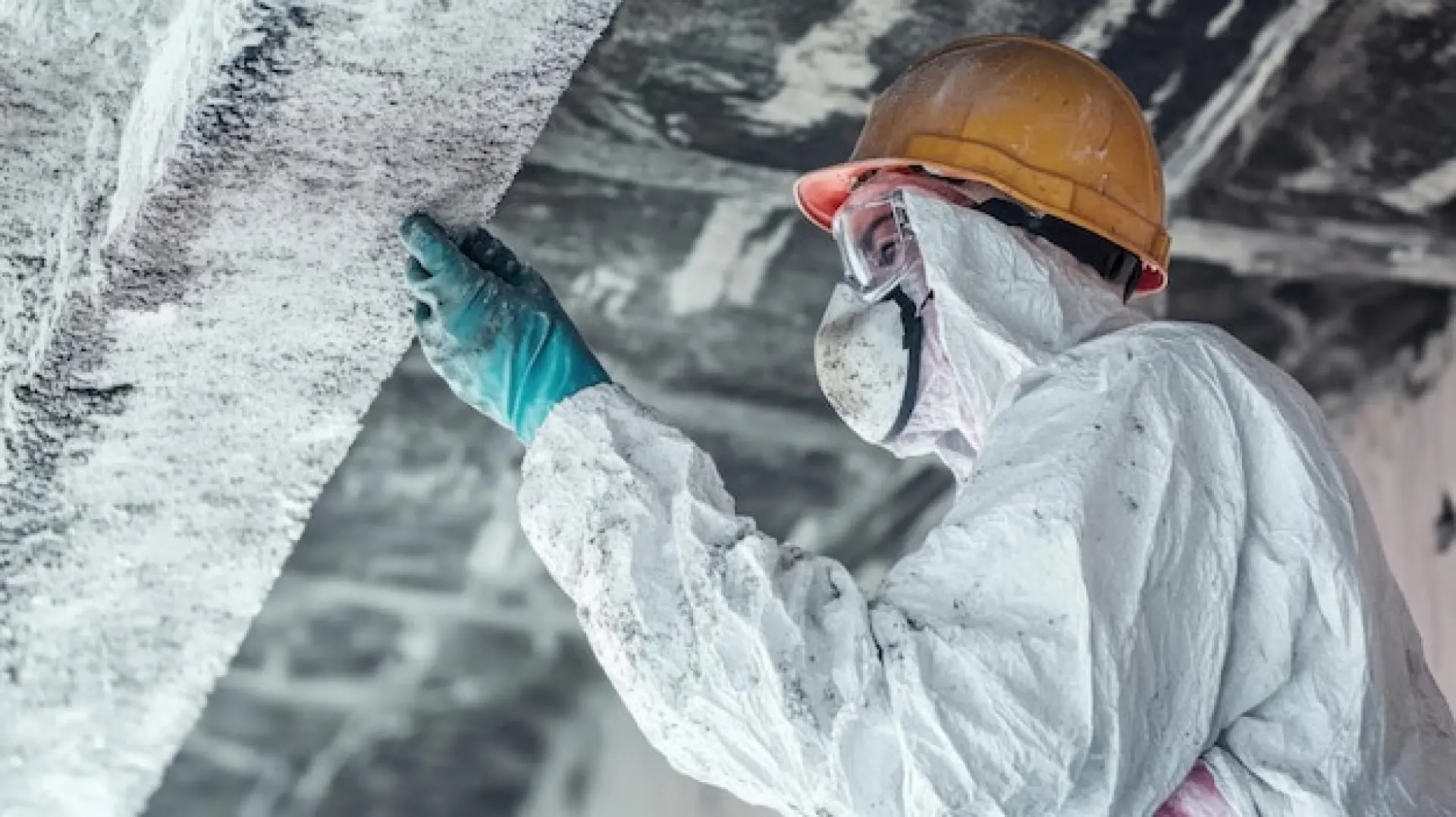
It's imperative that you do not touch, drill, cut or remove any asbestos-suspected materials. This is because most work involving asbestos requires a licensed asbestos contractor to limit your exposure to serious diseases, including mesothelioma and lung cancer.
Textured Wall and Ceiling Coatings
Textured wall and ceiling coatings were often applied to create patterned surfaces, and they sometimes contained asbestos for strength and fire resistance. You cannot identify asbestos by appearance alone, but the building’s asbestos register, survey records or laboratory testing should be able to confirm its presence.
Any suspected coatings should not be drilled, sanded, scraped or removed without an assessment, and a removal service may be necessary if the coating is damaged, deteriorating or likely to be disturbed. Disturbing asbestos-containing coatings can release fibres into the air and create a serious health risk. However, any coatings that are in good condition can sometimes be simply managed and monitored instead of removed.
Read related articles:
Asbestos Removal in Warehouses and Factories
Asbestos Removal During Commercial Renovations
Old Pipe and Boiler Insulation
Old commercial properties are more likely to contain asbestos around their pipes and boilers. Asbestos can be found in pipe lagging, boiler insulation, heating ducts, gaskets and nearby insulation boards since these materials were often installed in plant rooms, basements and service areas. Older pipe and boiler insulation can become damaged or brittle over time, and if the asbestos is disturbed, it can release fibres into the air. These fibres can cause serious health problems, such as lung cancer.
Asbestos Cement Roofing and Panels
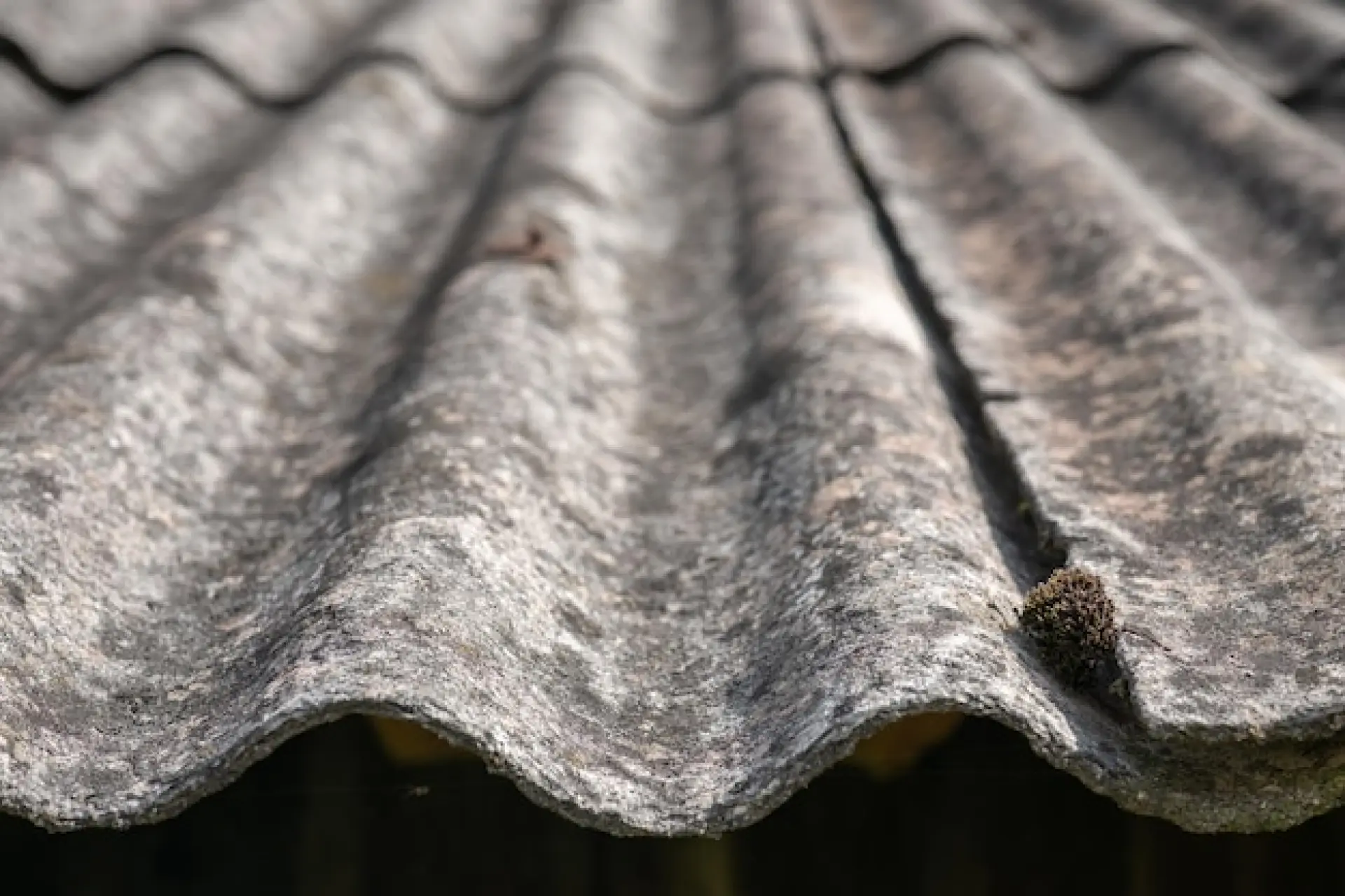
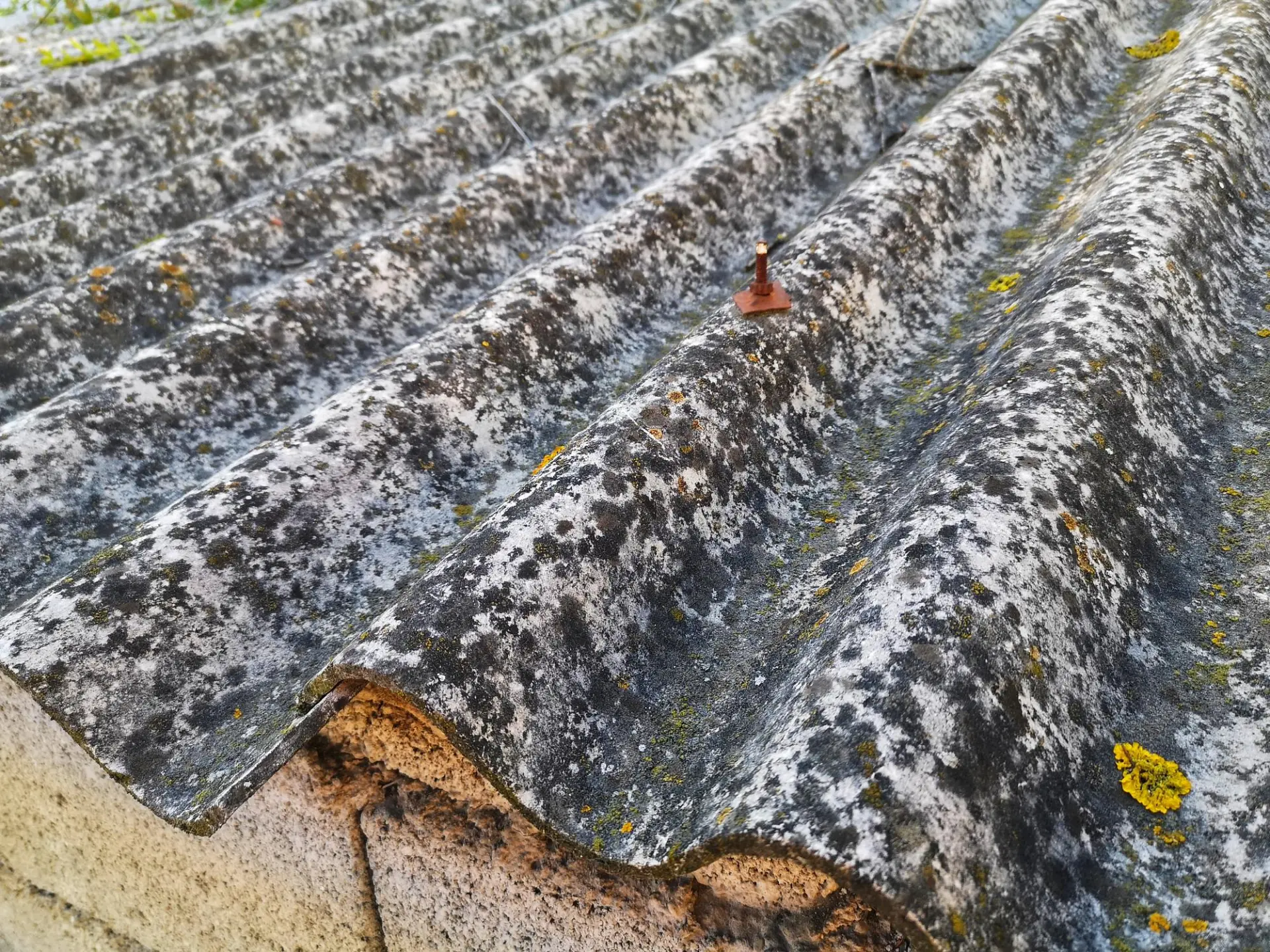
Asbestos fibres were often mixed with cement to create strong, weather-resistant products for roofs, wall cladding, gutters and downpipes. These materials were widely used on warehouses, factories and other commercial buildings before the 2000s.
Asbestos cement is generally less likely to release fibres than softer asbestos materials because the fibres are firmly bonded within the cement. However, it can still become dangerous if it is broken, drilled, cut, pressure-washed or allowed to deteriorate.
Worn Floor Tiles and Adhesives
Worn floor tiles and old adhesives can be signs that asbestos may be present in a commercial building. Asbestos was often used in vinyl floor tiles, bitumen-based adhesives and backing materials since it added strength, heat resistance and durability to the building.
The possible warning signs to look out for are cracked, brittle or lifting tiles, dark adhesive beneath the flooring and old tiles that have remained in place for many years. However, asbestos cannot be identified by colour, pattern or appearance alone. A competent surveyor can arrange a safe sampling and testing service to check whether or not asbestos is present, and whether it needs removing.
Fireproofing Materials
Old fireproofing materials are often a major sign that asbestos is present in a commercial building. Asbestos was used because it could resist heat and slow down the spread of fire, and it can often be found in sprayed coatings on steel beams, fire-resistant panels, ceiling voids, service ducts, plant rooms and areas around boilers.
The warning signs to watch out for include rough sprayed surfaces, damaged insulation boards, cracked coatings or old fire barriers around your pipes and cables. Any suspected materials should not be drilled, cut, scraped or removed since the damaged fireproofing can release dangerous fibres into the air.
Old Electrical Panels and Equipment
Asbestos can be found in old fuse boxes, switchgear, flash guards, arc chutes, backing boards, cable insulation and heat-resistant pads, and the possible indicators of asbestos include old, brittle panels, fibrous backing sheets, worn-out insulation around the cables and damaged heat shields.
Cracks, broken edges, loose dust or crumbling material inside the electrical cabinets can also suggest that asbestos-containing parts have deteriorated. Labels, maintenance records and the building’s asbestos register may also be used to identify older equipment containing asbestos.
Deteriorating Building Materials
Deteriorating building materials can be a warning sign that asbestos is present, particularly if the building was built or refurbished before the 2000s. Asbestos was added to insulation, ceiling tiles, wall panels, sprayed coatings, roofing sheets, pipe lagging and flooring because it provided heat resistance, strength and fire protection.
The indicators of potential asbestos-containing materials include cracked panels, broken ceiling tiles, frayed insulation, crumbling pipe lagging, peeling textured coatings and dusty debris near older materials. Water damage, impact and repeated maintenance work can also weaken asbestos-containing products and increase the chances of fibres being released.
Previous Building Work or Renovations
Previous building work or renovations can be a warning sign that asbestos may be present in an old commercial property. Buildings constructed or altered before the 2000s may contain asbestos in materials that were covered, moved or partly removed during earlier work.
The possible indicators of asbestos-containing materials include patched ceiling tiles, boxed-in pipework, replaced panels, uneven wall finishes and layers of old flooring beneath newer surfaces. Damaged insulation, broken boards, exposed adhesive and debris in ceiling voids may also show that older materials were disturbed.
Missing survey records or unclear details about any past renovations can also increase your concern. The asbestos register, building plans and earlier survey reports may show where asbestos-containing materials were found or managed, and any suspected areas should not be drilled, cut, sanded or removed.
Why You Should Not Disturb Suspected Asbestos
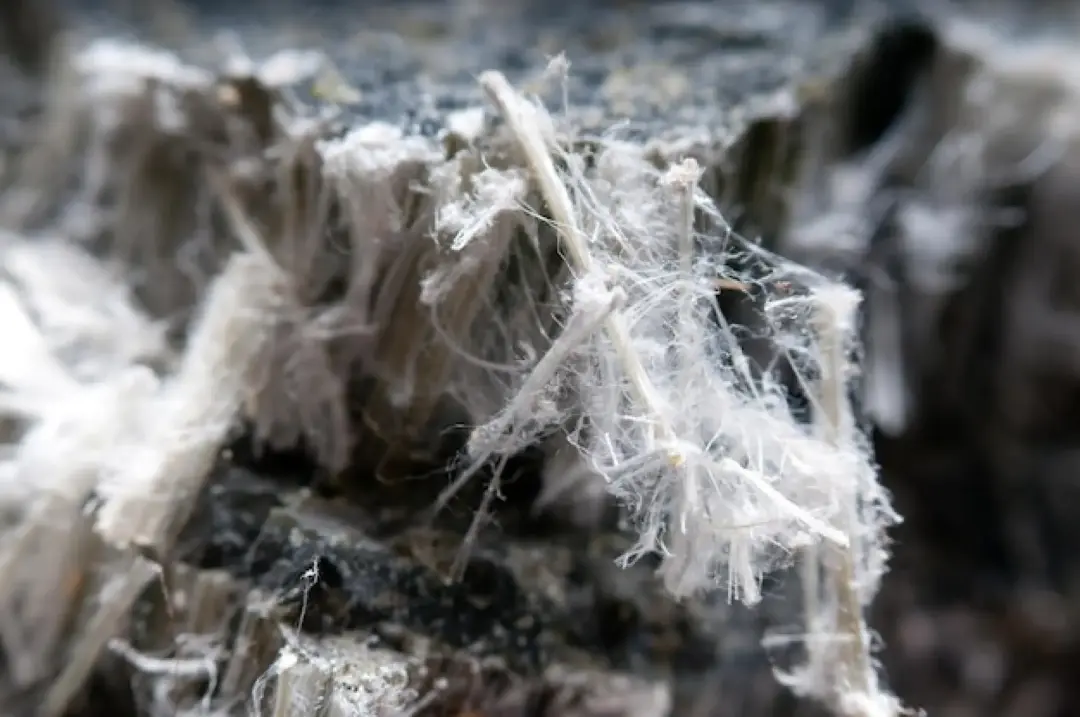
Suspected asbestos materials in a commercial building should never be disturbed because cutting, drilling, sanding or breaking them can release harmful fibres into the air. These fibres are very small, and they can be inhaled without you even knowing. Exposure to asbestos can also cause serious illnesses, including mesothelioma, asbestosis and lung cancer. Disturbing asbestos can also put your employees, contractors, visitors and nearby occupants at risk. Any work should stop if a suspicious material is found, and the area may need to be closed off to prevent further disturbances.
Asbestos Services Bournemouth provides professional asbestos removal services for commercial and domestic properties in Bournemouth. Our trained specialists can safely identify, manage and remove asbestos-containing materials using suitable controls.