Discover common places asbestos is found in homes and buildings with our expert guidance. Protect your property and loved ones from hidden risks today.
Asbestos in soffits, fascias, and roof sheets
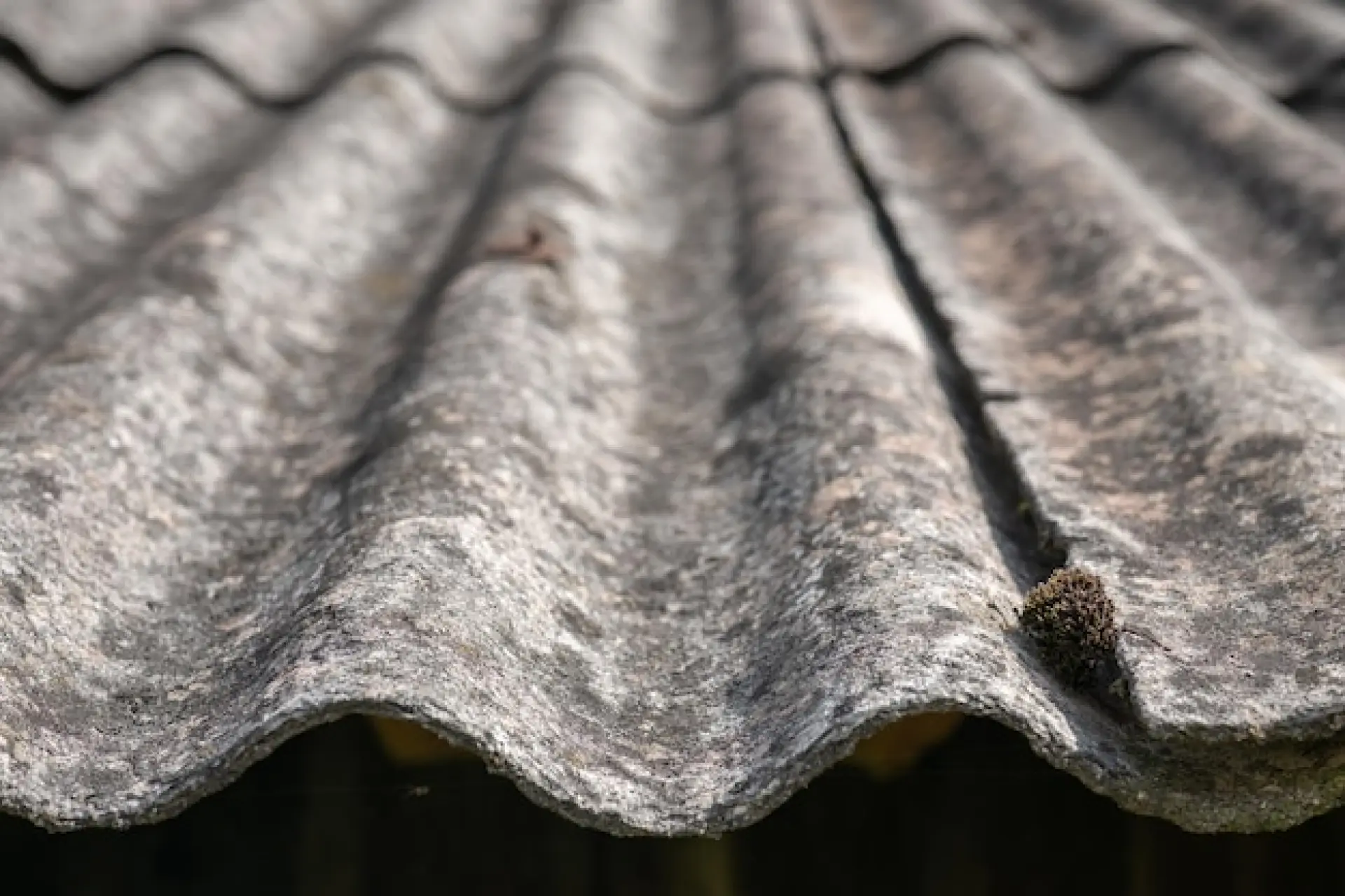
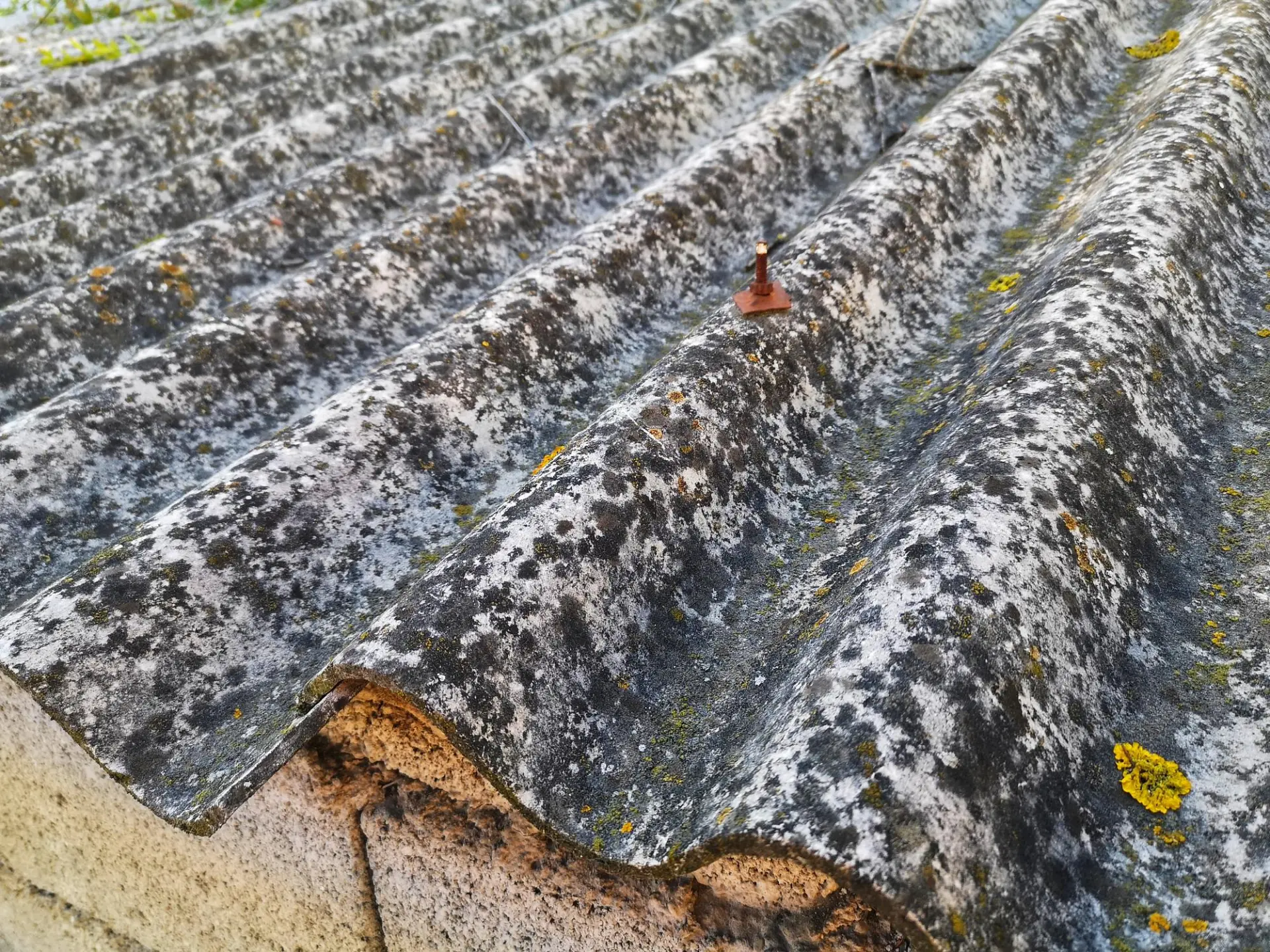
Asbestos is commonly found in soffits, fascias, and roof sheets in older homes and buildings in the UK because these parts were often made from asbestos cement.
This material was popular for many years, especially from the 1950s through to the 1980s; however, many older properties may still have their original boards and sheets in place, which means that asbestos will still be present, even though it's now banned.
Soffits and fascias sit on the outside of a building, near the roof edge, and they help protect the roof from wind and rain. Since these components are exposed to the weather all year round, many builders in the past wanted to use materials that would last.
Therefore, asbestos was used in these places because it offered several practical benefits. When it was mixed with cement, the asbestos fibres helped strengthen the boards and sheets so that they were less likely to warp or rot. Asbestos also resisted fire and heat, which made it seem safer. Asbestos cement products were often cheaper than some alternatives at the time, too.
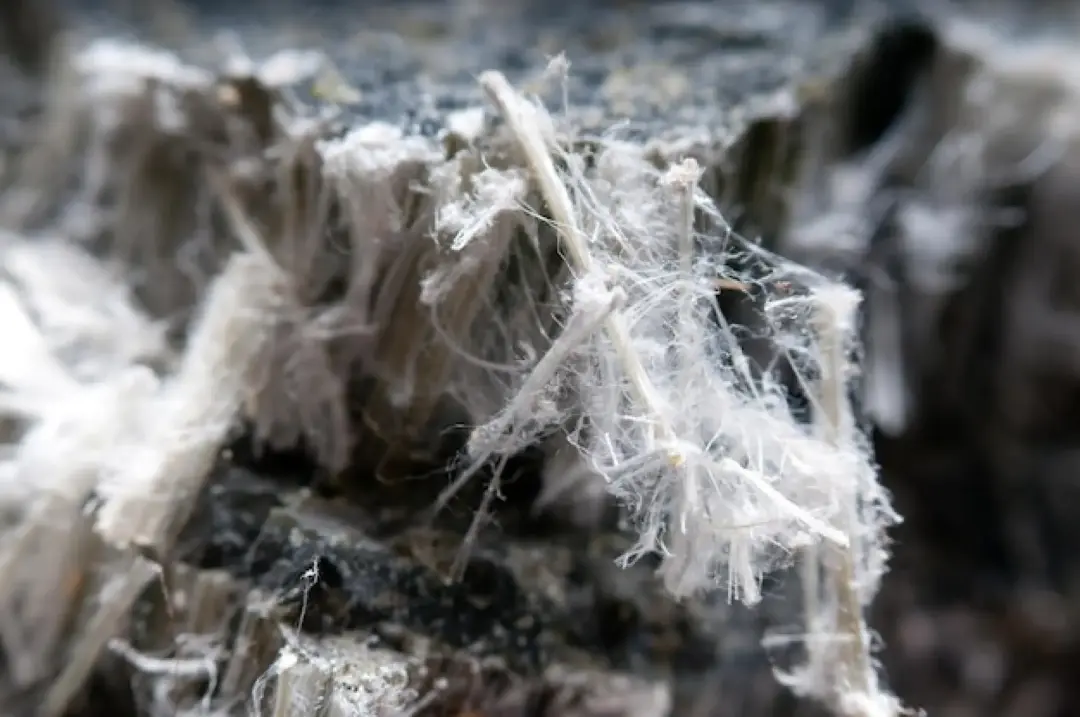
However, over time, the problems with asbestos became clear. If asbestos cement is drilled, cut, snapped, or badly weathered, it releases fibres into the air, which is a dangerous risk during repairs, gutter replacements, roof work, or refurbishments. Many people might not realise that these items can contain asbestos because they look like ordinary grey or white boards and sheets; however, it's crucial to be aware.
Asbestos in wall boards and partition walls
Asbestos is commonly found in wall boards and partition walls in older homes and buildings in the UK because it was widely used in old building products. Wall boards and partition walls are often used to divide rooms, line corridors, form service cupboards, and box in pipes and ducts.
In older homes, asbestos boards were sometimes used behind fires, around boilers, under windows, or as a backing board for tiles in kitchens and bathrooms. In workplaces and public buildings, asbestos boards were used in office partitions, stairwells, risers, and plant rooms because these locations needed materials that were strong, stable, and able to cope with heat and wear.
Asbestos was used in these places because it helped improve the building's fire resistance, which was important for escape routes and shared hallways. It also helped with sound reduction, too. Many asbestos boards were firm and durable, so they didn't rot like timber. They were also easy to shape, cut, and fix in place, which made them a practical option during building work.
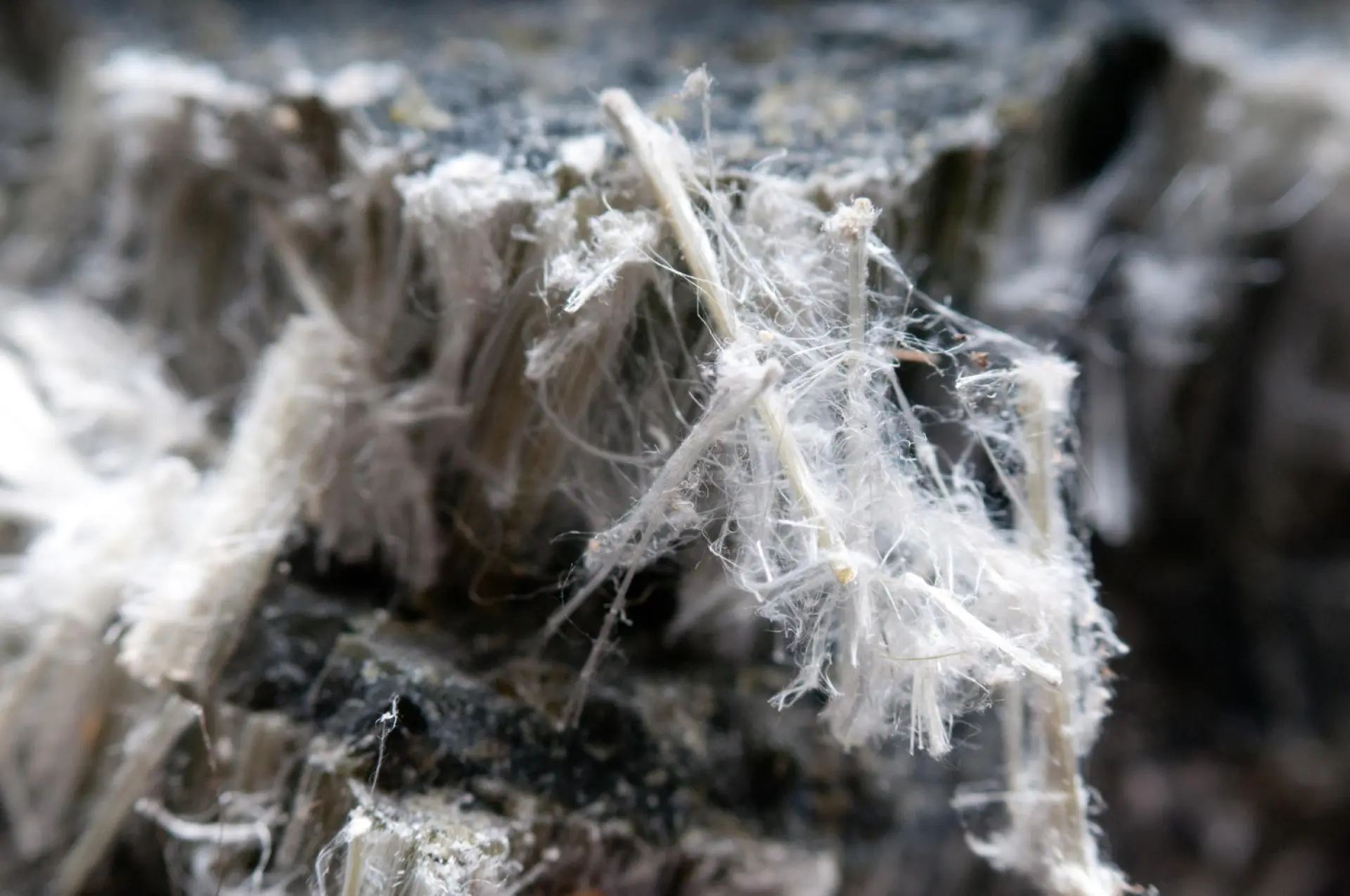
However, disturbing asbestos by drilling into walls, pulling down old partitions, removing tiles, or chasing cables into wall linings can cause the asbestos to release fibres into the air. Although these fibres are tiny, they can cause huge medical issues, such as lung cancer and mesothelioma.
If you suspect that your older wall boards or partitions may contain asbestos, do not cut or sand them. An asbestos survey can be used to identify the material, check its condition, and provide advice on your next steps.
Asbestos in loft insulation and loft spaces
Asbestos is commonly found in loft insulation and loft spaces in the UK because many older homes were built or upgraded when asbestos was seen as a useful building material. Lofts contain pipework, water tanks, and sometimes older heating parts, and in some properties, asbestos was used to insulate the pipes and tanks to help keep water warm and stop the pipes from freezing.
Asbestos insulation might look like a grey or white wrapping, a hard casing, or a crumbly coating around the bends and joints. Loft hatches, partition panels, and boards that have been used to box in pipes can also contain asbestos materials. Over time, walking on boards, pulling out stored items, or laying down new insulation can knock or scrape the loft surfaces, and if the asbestos becomes damaged, it can release fibres into the air.
The human body cannot break these fibres down, which means they can stay in your lungs for years. Over time, this exposure can lead to serious illnesses, including asbestosis (scarring of the lungs), lung cancer, and mesothelioma (a cancer of the lining around the lungs or abdomen).
Asbestos in window surrounds, sealants, and putty
Asbestos is commonly found in old window surrounds, sealants, and putty because it was used to make them tougher and more resistant to heat and wear. Windows often handle strong winds, rain, sun, and changes in temperature, so builders wanted to use materials that stayed firm, sealed well, and lasted a long time.
In some buildings, asbestos was used in the mastic and sealants around window frames, as well as in certain types of putty to fix the glass in place. It can also be found in boards or panels around the window reveals, too, such as the lining boards, backing boards, or infill panels. These materials were chosen because asbestos fibres helped reduce cracking and shrinking.
However, asbestos in these areas can still affect someone today, mainly during maintenance or home improvement work. Removing old windows, scraping away sealant, sanding painted frames or replacing glass can disturb the asbestos materials and release fibres.
Because the fibres are so tiny, they can be breathed in without you realising. Even small jobs, like cutting back old mastic or stripping layers of paint near the frame, can create dust if asbestos is present. This is why PPE is needed during window upgrades, draught proofing, and redecoration projects in older homes.
Breathing in asbestos fibres can cause serious illnesses that may take many years to develop, such as asbestosis, lung cancer, and mesothelioma. Asbestos that's in sealants and putty doesn't have a clear or unique look. It may appear as a hard or slightly rubbery strip around the edge of a window frame that's often grey, black, brown, or off-white.
Old putty may look dry, cracked, and chalky, and the surround panels may look like plain flat boards with a smooth painted surface. Because many of these materials look the same, it's best to arrange an asbestos survey to check if the material is present in your home.
Asbestos Services Bournemouth provides asbestos surveys for homes and buildings across Bournemouth, Poole and Christchurch. We'll check for asbestos materials, explain any risks, and produce clear reports to support our decisions.