Older warehouses and factories may contain asbestos in the roofing sheets, wall panels, insulation, floor tiles, pipework and plant room materials. This guide explains where asbestos is commonly found, the warning signs to look for and why professional surveys, management and removal are important.
Why Asbestos Is Common in Warehouses and Factories
Asbestos-containing materials are common in older warehouses and factories because they were widely used before being banned in 1999. This is because warehouses and factories often required strong fire protection, heat resistance and insulation, especially around machinery, boilers and electrical equipment.
Asbestos may be present in the roofing sheets, wall panels, pipe lagging, insulation boards, sprayed coatings, floor tiles and fireproofing materials. Large industrial buildings also used asbestos cement because it was durable, weather-resistant and suitable for covering wide areas at a relatively low cost.
Areas Where Asbestos May Be Found
Asbestos can be found in several areas of old warehouses and factories, including the roof sheets, wall cladding, gutters and downpipes. Asbestos products were often used in these areas because they were strong, weather-resistant and suitable for covering large industrial buildings. Asbestos may also be present in the insulation around your boilers, pipes, ducts and heating systems, since it was used to reduce heat loss.
Inside the building, asbestos can be found in your insulation boards, ceiling tiles, fireproof panels, sprayed coatings and partition walls, and some older floor tiles, adhesives, electrical panels, gaskets and machinery components can also contain asbestos.
Plant rooms, service areas, ceiling voids and maintenance spaces are the main places where you'll find these materials, and any asbestos that's in good condition doesn't even need to be removed - it just needs to be managed safely and left undisturbed.
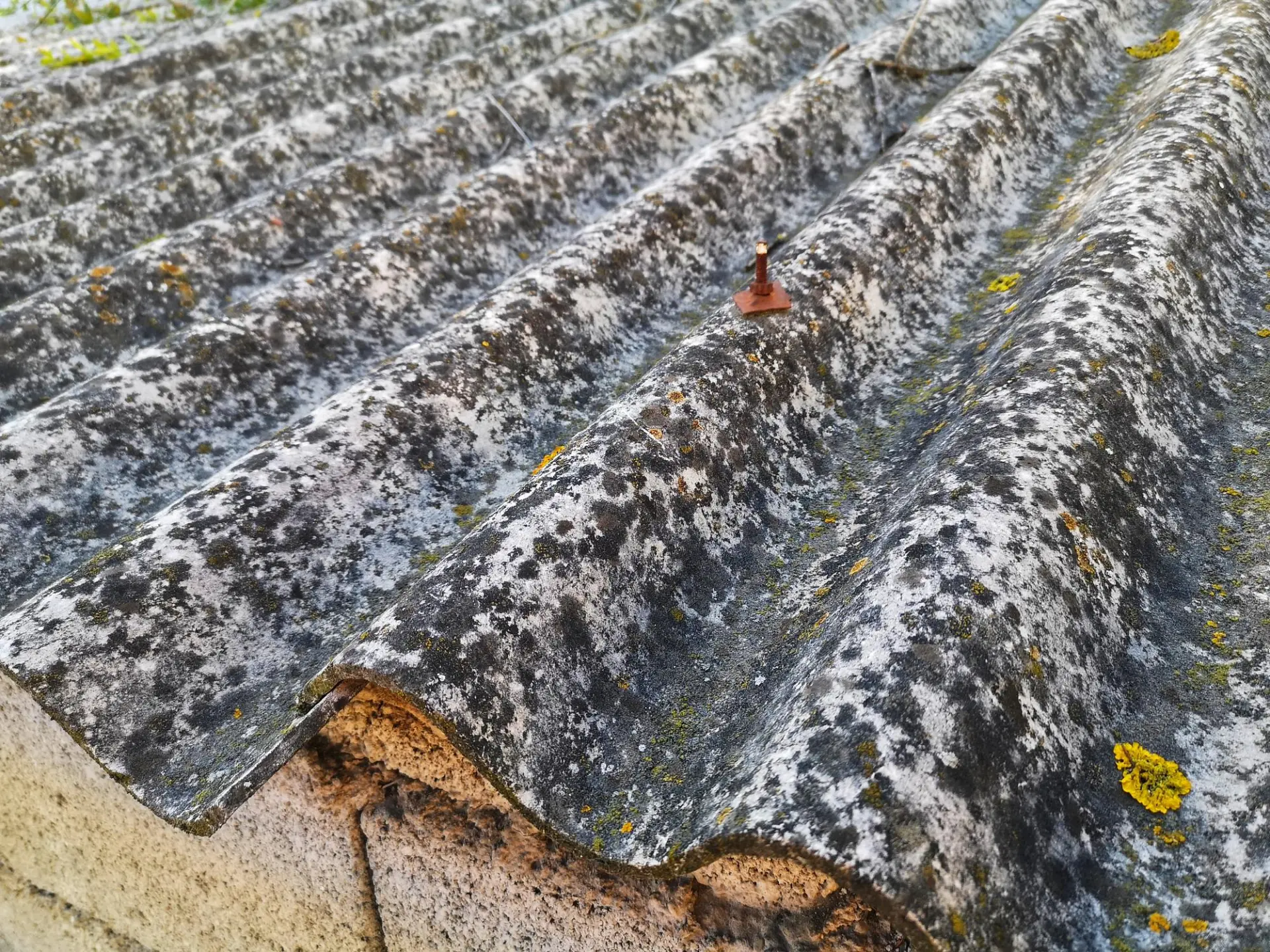
Roofing Sheets and Wall Panels
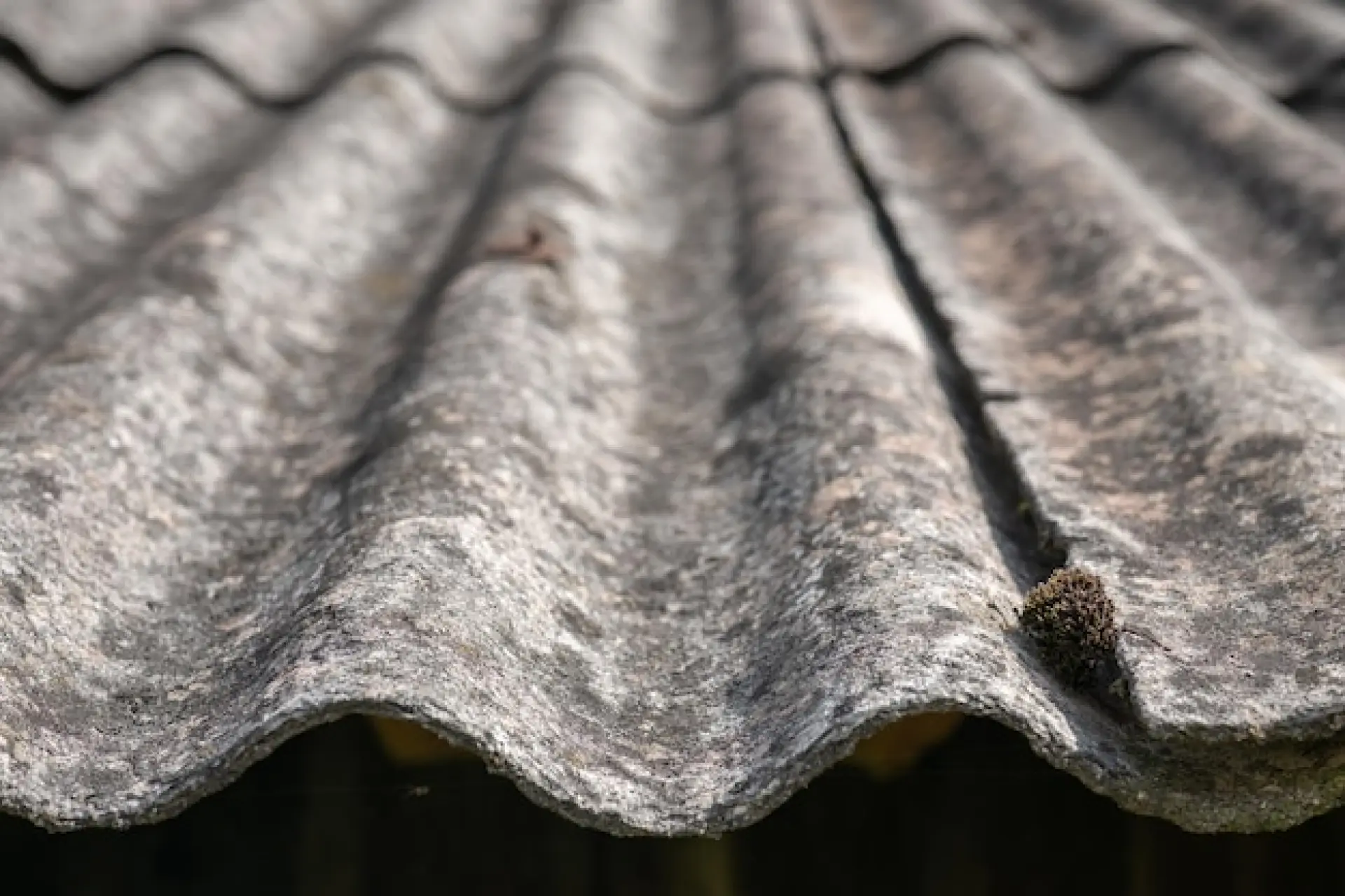
Asbestos was widely used in roofing sheets and wall panels in older UK warehouses and factories because it was strong, durable and resistant to heat, fire and weather. When it was mixed with cement, asbestos created rigid sheets that could cover large roofs and external walls at a relatively low price.
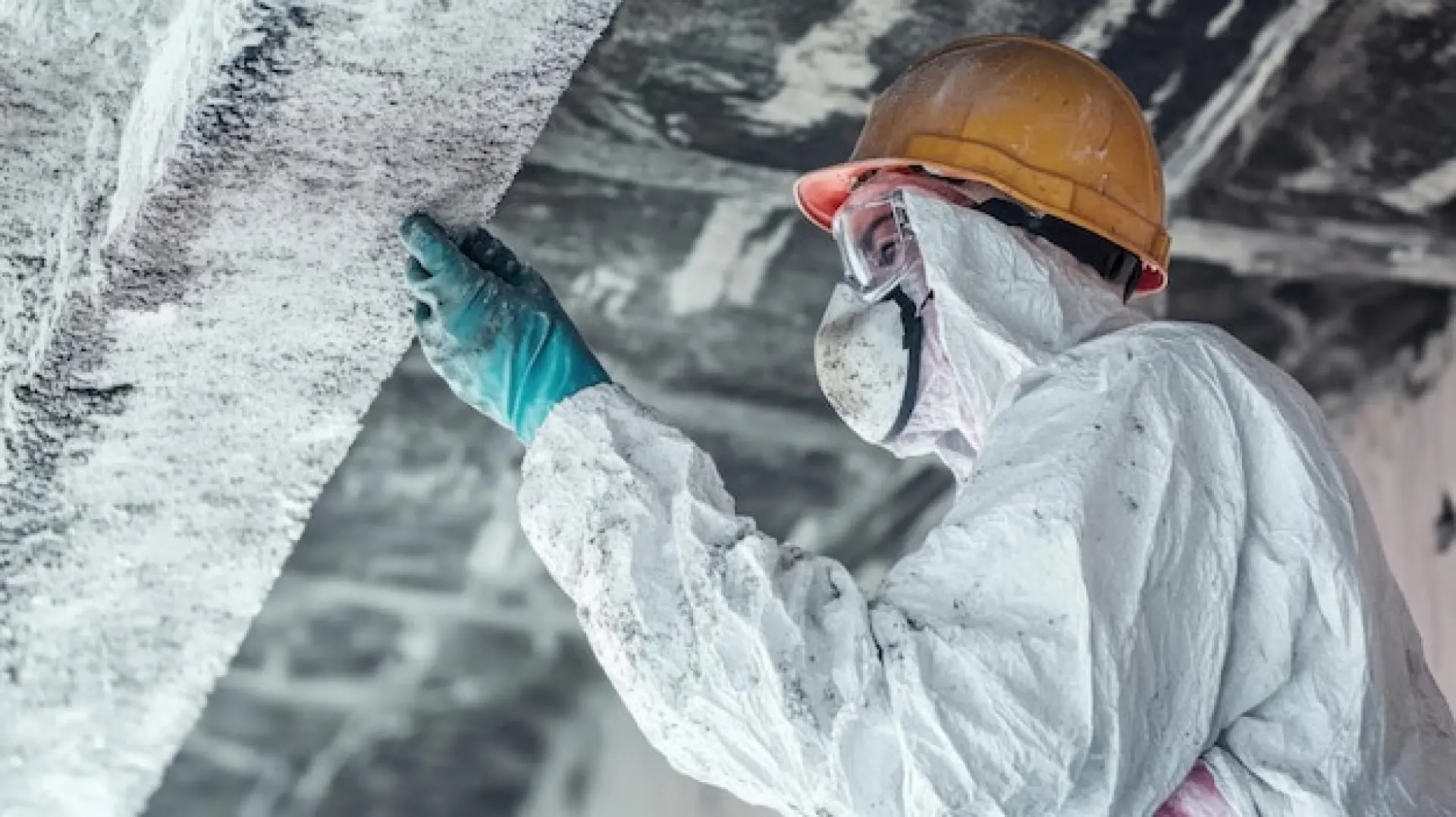
However, asbestos cement sheets can release harmful fibres if they are cut, drilled, broken, crushed or badly weathered. An asbestos removal service should always be done by trained professionals who understand how to assess the material, control dust and prevent the roof sheets from breaking. They can use suitable protective equipment, safe working methods and approved waste procedures.
Pipework and Boiler Insulation
Asbestos was commonly added to pipe lagging, boiler coatings, insulation blocks and nearby panels since these materials helped protect workers from hot surfaces, improved the building's energy efficiency and reduced the risk of fire around heating systems and industrial machinery. Over time, this insulation can become brittle, cracked or damaged by leaks, vibration, repairs and general wear and tear, and when it's disturbed, it may release fine asbestos fibres into the air.
A removal service must be carried out by trained professionals since pipe and boiler insulation can be one of the higher-risk asbestos materials. These specialists can seal the work area, control any dust particles, use suitable protective equipment and follow approved removal methods. They can also prevent asbestos fibres from spreading to nearby rooms, machinery and ventilation systems, and in many cases, any work involving asbestos insulation requires a licensed contractor.
Ceiling Tiles and Fireproofing Materials
Asbestos was commonly used in ceiling tiles and fireproofing materials in older warehouses and factories because it resisted heat and slowed down the spread of fire. Asbestos was often added to ceiling panels, insulation boards and sprayed coatings to provide extra fire protection and improve the building's insulation.
Fireproofing coatings were also applied to steel beams, columns, ceilings and walls to protect the building’s structure during a fire, and ceiling tiles also contained asbestos to provide sound and heat insulation.
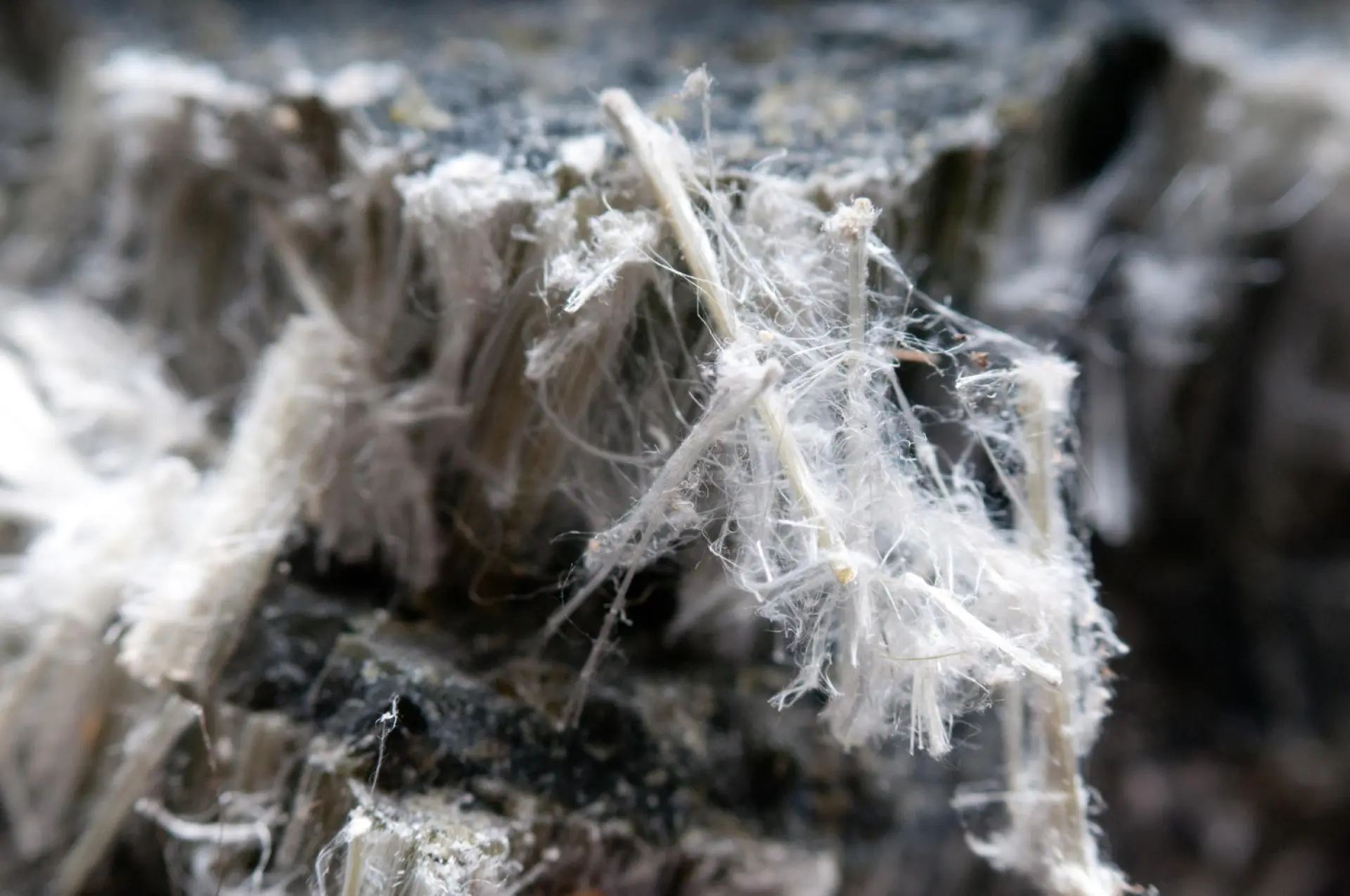
Cutting, drilling, scraping or breaking down these asbestos-containing tiles and coatings can release harmful fibres into the air. These fibres can spread through any nearby work areas, ventilation systems and equipment, and a poor removal service can expose you, your workers, visitors and contractors to serious health risks, including lung cancer, asbestosis and mesothelioma.
Asbestos fibres can also cause widespread contamination, making the building more difficult and expensive to clean. Trained professionals use controlled methods, suitable protective equipment and correct waste procedures to reduce the risk of fibres being released and prevent asbestos from spreading.
Floor Tiles and Adhesives
Asbestos was used in floor tiles and adhesives in older UK warehouses and factories because it improved the building's strength, durability and resistance to heat and wear. Industrial floors often needed to withstand heavy equipment, regular foot traffic, oils and cleaning products and asbestos fibres were even added to some vinyl tiles, backing materials and bitumen-based adhesives to help the flooring last longer.
Warehouses and factories built or refurbished before the 2000s are more likely to still contain these materials, and the main signs to look out for include old vinyl tiles that are cracked, brittle, lifting or damaged around the edges. Tiles containing asbestos are typically small and arranged in regular square patterns, although their size and colour can vary.
Dark brown or black adhesive beneath any removed flooring can also indicate there is an older bitumen-based product that could still contain asbestos. Other indicators include several layers of flooring, old tiles hidden beneath newer coverings and gaps that reveal backing materials or adhesive. Any suspected tiles and adhesives should not be drilled, sanded, scraped or broken since disturbing them can release fibres, especially when powered tools are used.

Machinery and Plant Room Materials
Old plant rooms often contained boilers, motors, pipework and other equipment that operated at high temperatures, and asbestos was often used in the gaskets, seals, insulation boards, pipe lagging, heat shields and electrical components.
The common signs that asbestos may still be present are old, brittle insulation around your machinery, damaged boards behind the boilers or switchgear, worn gaskets and cracked heat-resistant panels. Fibrous or dusty material near the pipes, valves and equipment is also a sign there may be damaged asbestos materials.
Labels, maintenance records and the building’s asbestos register can all show whether asbestos-containing parts were installed and whether they need to be monitored, tested or removed.
Signs Asbestos Materials May Be Damaged
A factory or warehouse may contain damaged asbestos materials if it was built or refurbished before the 2000s. The main warning signs are cracked ceiling tiles, broken wall panels, crumbling pipe insulation, damaged boiler lagging and worn-out fireproof coatings. Other indicators can include loose fibres, dusty debris, peeling textured surfaces and broken asbestos cement roofing sheets.
Exposure to asbestos can cause serious diseases, including mesothelioma, asbestosis and lung cancer, which can develop many years later. Any suspected materials should not be touched, drilled, swept or removed, and a trained asbestos professional should be brought in to assess the area and advise you on what to do.
The Importance of an Asbestos Survey
An asbestos survey is important for any building built or refurbished before the 2000s. This is because it helps identify potential asbestos-containing materials, record their location and assess their condition. This information allows building owners and managers to plan their maintenance, repairs and refurbishment projects safely.
A management survey is generally done during normal occupation, while a more detailed refurbishment or demolition survey is done before any major building work. The results are often included in the asbestos register and kept up to date. Without a suitable survey, workers may drill, cut or remove asbestos-containing materials by mistake, which can release harmful fibres into the air.
Asbestos Services Bournemouth provides professional asbestos removal services for commercial and domestic properties in Poole. Our trained specialists can safely identify, manage and remove asbestos-containing materials using suitable controls.