Commercial renovation work can disturb asbestos hidden within older building materials, creating serious health and safety risks. Careful surveys, planning, removal and safe waste management are essential. This guide explains how asbestos should be managed before and during a commercial renovation project.
Why Asbestos Can Be a Risk During Renovation Work
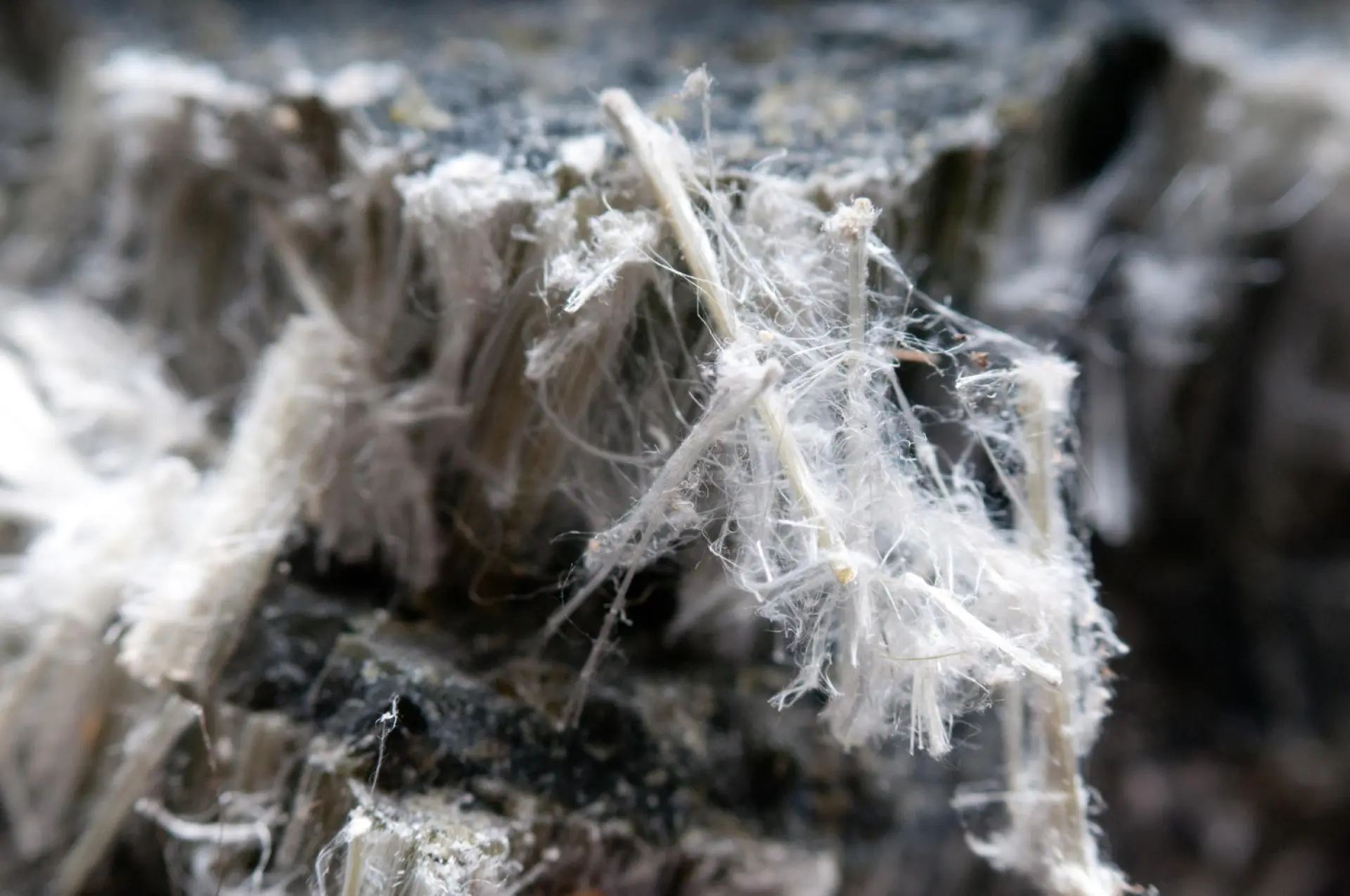
Asbestos can be a serious risk during renovation work because many older buildings can have asbestos hidden in the walls, ceilings, floors and service areas. Drilling, cutting, sanding or removing these materials can release fine asbestos fibres into the air, which workers and building users may breathe in without noticing.
Exposure to these fibres can cause serious diseases, including mesothelioma, asbestosis and asbestos-related lung cancer, and the symptoms often take many years to appear. Before any renovation project starts, the asbestos register and existing survey records should be checked to ensure there are no asbestos materials hidden within the building.
The Importance of an Asbestos Survey
Renovation work can disturb walls, ceilings, floors, insulation and service areas that may contain asbestos. A refurbishment survey can identify hidden asbestos-containing materials within the property before it's affected by the work. This survey involves opening up the building materials so that any hidden risks can be located, which can help contractors plan the project safely and decide whether the asbestos must be removed or managed before the work starts.
Without a suitable survey, workers may accidentally drill, cut, sand or break asbestos-containing materials, which can release harmful fibres into the air and expose employees, contractors, visitors and nearby occupants to serious ailments. The survey should be done by a competent asbestos surveyor, and the results must be shared with everyone involved.
Common Asbestos Materials Found in Commercial Buildings
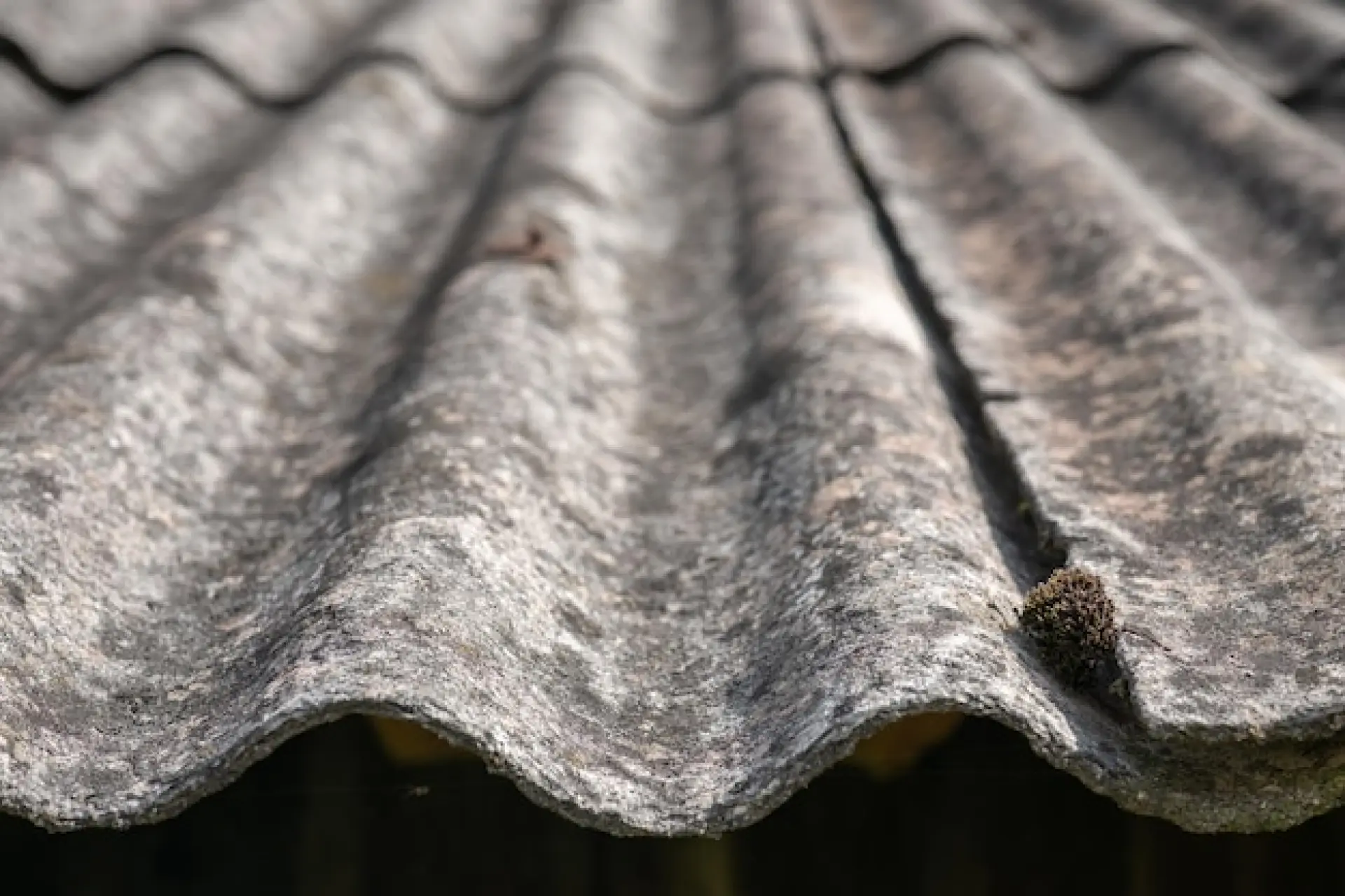
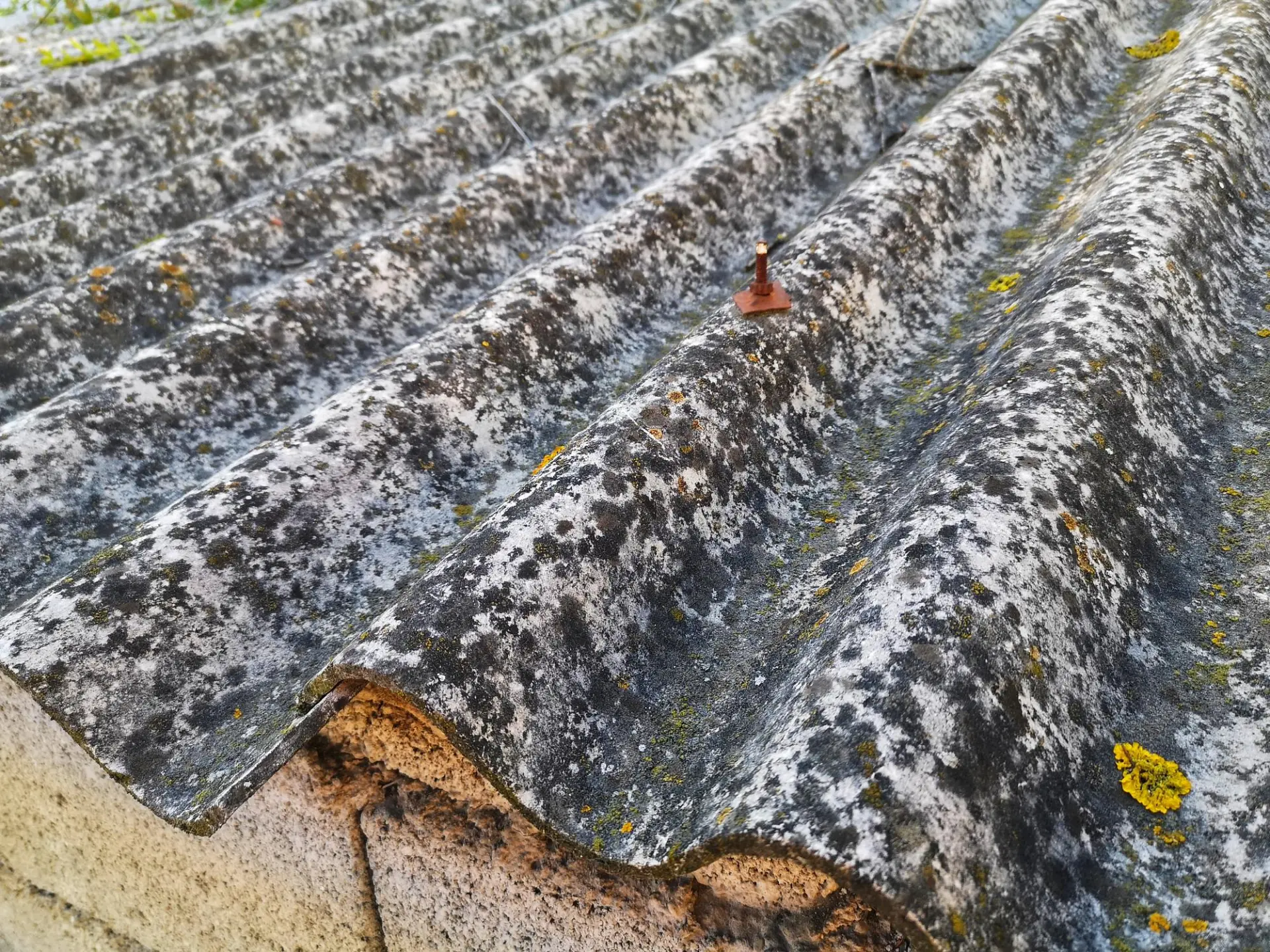
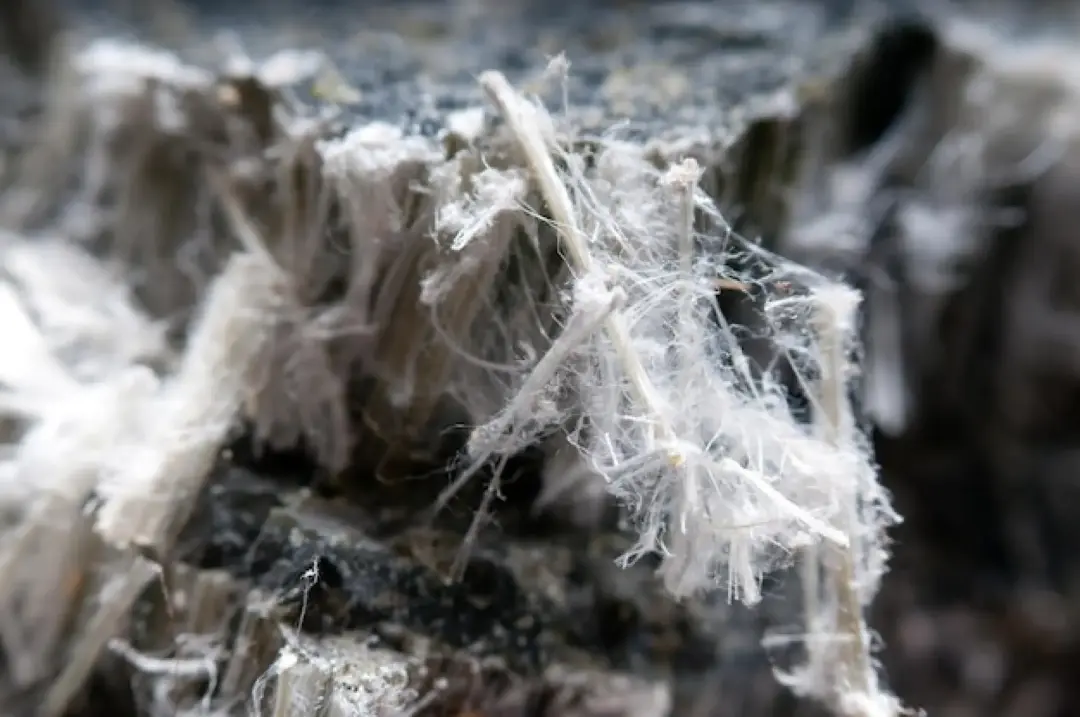
The most common asbestos materials found in old commercial buildings are insulation boards, pipe and boiler lagging, sprayed coatings, ceiling tiles, textured finishes, asbestos cement sheets, floor tiles, adhesives and fireproof panels. These products were widely used because asbestos provided heat resistance, fire protection, strength and insulation.
During renovation work, walls, ceilings, floors and service areas are commonly drilled, cut, sanded or removed, and if asbestos-containing materials are disturbed during this, fibres can be released into the air. Workers, visitors and nearby occupants can then breathe in these fibres, which increases the risk of them developing serious diseases such as mesothelioma, asbestosis and lung cancer.
Before any renovation work begins, a refurbishment asbestos survey should be done to identify whether asbestos-containing materials are present. Trained professionals can then remove or manage these materials to help prevent contamination, delays and unsafe working conditions.
Planning Asbestos Removal Before Renovations Begin
Planning an asbestos removal service before a commercial renovation project begins can help protect your workers, building users and contractors from asbestos exposure. Older commercial buildings can contain asbestos in the insulation, ceiling tiles, wall panels, flooring, pipework and fireproofing materials.
A suitable asbestos survey should identify any materials that could be disturbed by the planned work, and the findings should then be used to prepare a safe removal plan. This also allows the affected area to be isolated before other trades enter the site. It can also prevent project delays, unexpected costs and unsafe waste handling.
Read related articles:
Asbestos Removal in Warehouses and Factories
Signs Your Commercial Property May Contain Asbestos
Working With Contractors and Property Managers
Working closely with contractors and property managers is important when you're arranging an asbestos removal service. Property managers should provide asbestos registers, survey reports and building records before the renovation work begins, and contractors must understand where asbestos-containing materials are located and which areas need to be sectioned and controlled.
Clear communication helps prevent workers from drilling, cutting or removing suspected materials by mistake. Regular updates between the asbestos team, renovation contractors and property manager can also help ensure that any changes to the project are reviewed safely. This helps support your legal duties and protects workers, visitors and building users from asbestos fibres.
Isolating the Affected Areas
Isolating any asbestos-affected areas during a renovation project can help prevent harmful fibres from spreading to other parts of the building. When it comes to these areas, your access should be restricted, warning signs should be displayed, and suitable barriers should be put in place before any work begins.
Isolating the asbestos helps protect contractors, employees, visitors and nearby occupants, and it also reduces the risk of dust reaching the ventilation systems, equipment and clean areas. Asbestos specialists can then assess the isolated material, prepare the work area and use suitable methods to control the fibres.
Hiring asbestos specialists helps ensure that the removal process follows UK safety rules and that the affected area is properly inspected before the renovation work begins.
Safe Asbestos Removal Methods
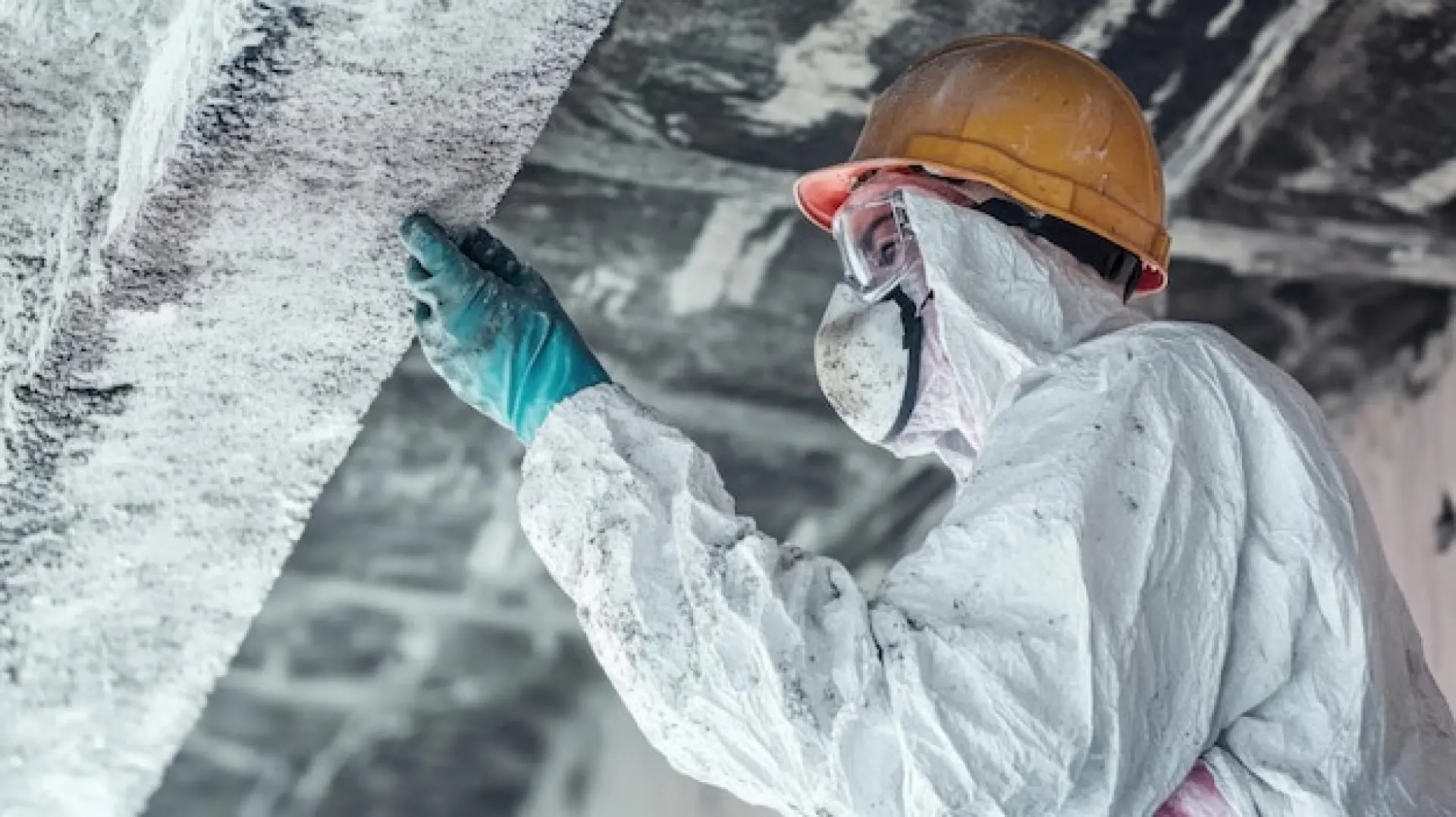
There are many asbestos removal methods that can be used during commercial renovation work depending on the material, its condition and the level of risk. Controlled wetting is done to dampen the asbestos-containing materials before and during the removal service to help reduce the risk of fibres being released.
Higher-risk work may take place inside a sealed enclosure that's kept under negative pressure to prevent any contaminated air from escaping into other parts of the building. Class H vacuum cleaners and damp cleaning methods can also be used to remove the dust and debris safely, and if it's possible, materials such as asbestos cement sheets or floor tiles are removed whole rather than in pieces.
Shadow vacuuming can also be used, wherein a suitable vacuum is held close to the work area while the asbestos fixings or materials are removed. The removed materials are then double-bagged or wrapped, clearly labelled and taken to an authorised waste facility.
Managing Asbestos Waste
After an asbestos removal service, any and all waste must be carefully contained to prevent the fibres from escaping. Asbestos materials, contaminated debris, disposable protective clothing and cleaning items are all treated as asbestos waste. Smaller items are normally placed in approved, labelled waste bags and double-bagged, and larger materials, such as cement sheets, are securely wrapped in strong polythene and clearly labelled.
The waste must be stored in a locked, marked area until it's collected, and a registered waste carrier should transport the asbestos to an authorised site. Hazardous waste documents, including a consignment note, must also record that the asbestos has been disposed of safely. Safe waste management protects workers, building users, the public and the environment from asbestos exposure.
Asbestos Services Bournemouth provides professional asbestos removal services for commercial and domestic properties. Our trained specialists can safely identify, manage and remove asbestos-containing materials using suitable controls.